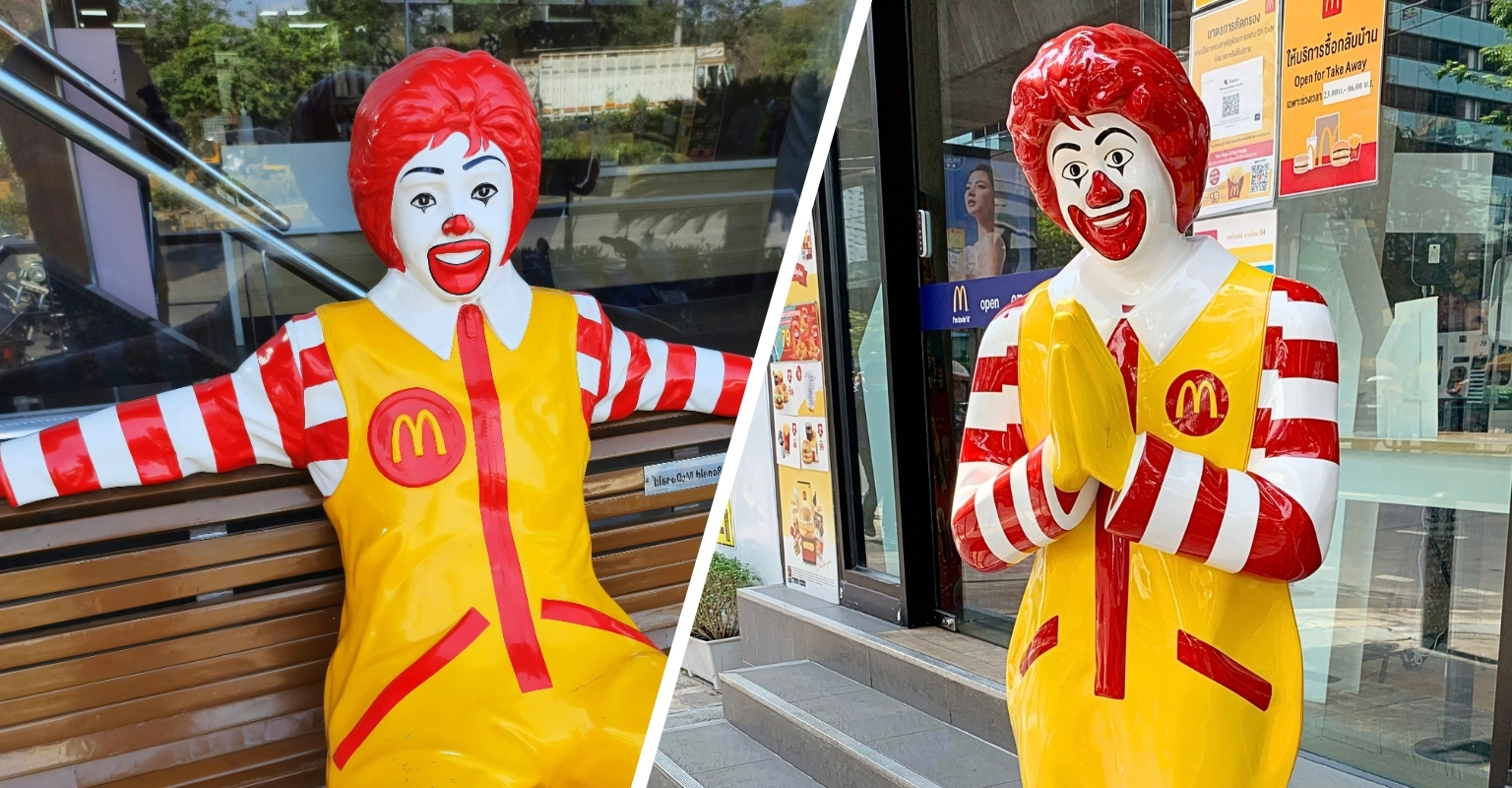
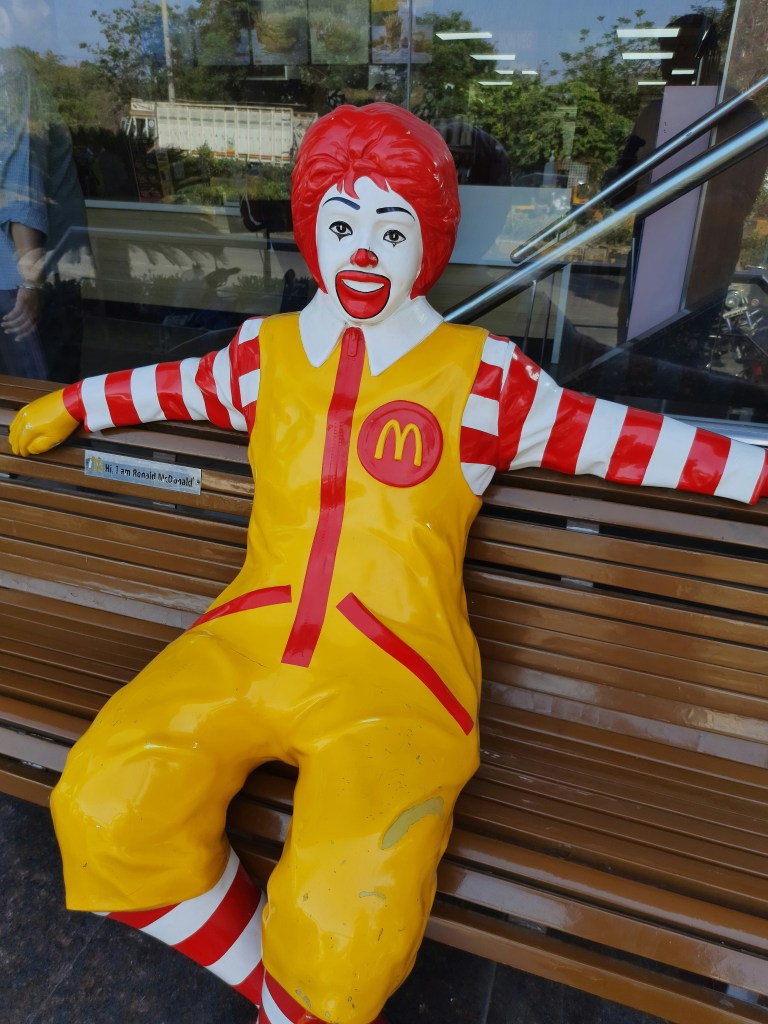
There is a disturbing reason why McDonald’s quietly removed its famous mascot Ronald McDonald from public view.
Although the character once symbolised family friendly fun, a sudden cultural shift changed how people saw clowns.
The McDonald brothers, Richard and Maurice, founded the company in 1940 in San Bernardino, California. However, businessman Ray Kroc later expanded the brand into a global fast food giant.
As a result of that growth, McDonald’s now serves a huge share of the world’s population. In fact, 85 years after its launch, the chain feeds about one percent of the global population every day.
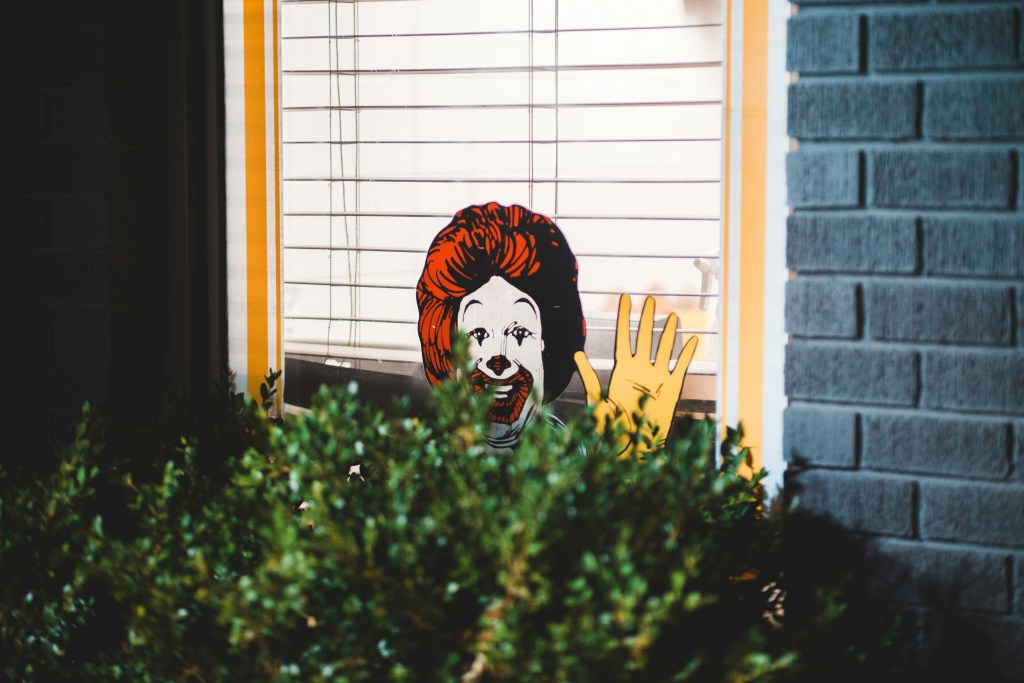
Meanwhile, a 2024 study showed that the average American customer visits McDonald’s 54 times a year. That figure means many people eat there more than once a week.
How Ronald McDonald became a global mascot
McDonald’s introduced Ronald McDonald in 1963. Over time, he became one of the most recognisable brand mascots in the world.
During his peak, the company called him the world’s newest and silliest hamburger eating clown. He often appeared with other characters such as Mayor McCheese, the Hamburglar, and the Fry Kids.
However, despite his popularity, Ronald’s role slowly began to change. By 2016, McDonald’s decided to remove him from most public facing promotions.
Criticism of Ronald before his removal
Before the clown scare, some groups had already criticised Ronald’s role. They argued that he encouraged children to eat unhealthy food.
As early as 2011, 550 doctors took out newspaper advertisements calling for his retirement. They asked McDonald’s to stop marketing junk food to children.
They said that childhood illness rates were rising. They also warned that healthcare systems were under increasing pressure.
Therefore, they argued that reducing junk food advertising could help improve children’s health.
Although Ronald no longer appears in McDonald’s advertising, he still plays a role in charity work. He remains the face of Ronald McDonald House Charities UK.
The charity supports families with seriously ill children. It provides accommodation close to hospitals so families can stay together.
In 2024, the charity supported 8,288 families across 14 houses in the United Kingdom. Since 1989, McDonald’s and its franchisees have raised more than $134 million for the charity.
That money helps fund and build Ronald McDonald Houses across the country. As a result, Ronald’s image continues to appear in a charitable context.
The 2016 clown scare
However, the main reason Ronald disappeared came in October 2016. At that time, a wave of frightening clown sightings spread across the United States and later the United Kingdom.
People dressed as clowns and carried weapons in public. Consequently, police warned that the trend was no joke.
The strange sightings created fear in many communities. As a result, clowns became linked with danger rather than entertainment.
Professor Mark Griffiths from Nottingham Trent University explained why clowns often cause fear. He said their exaggerated features make them unsettling.
He also said that films and television often portray clowns as violent or threatening. Therefore, many people associate them with danger even without real life experiences.
As the clown scare spread on social media, McDonald’s issued a statement. The company said it would reduce Ronald McDonald’s presence at public events.
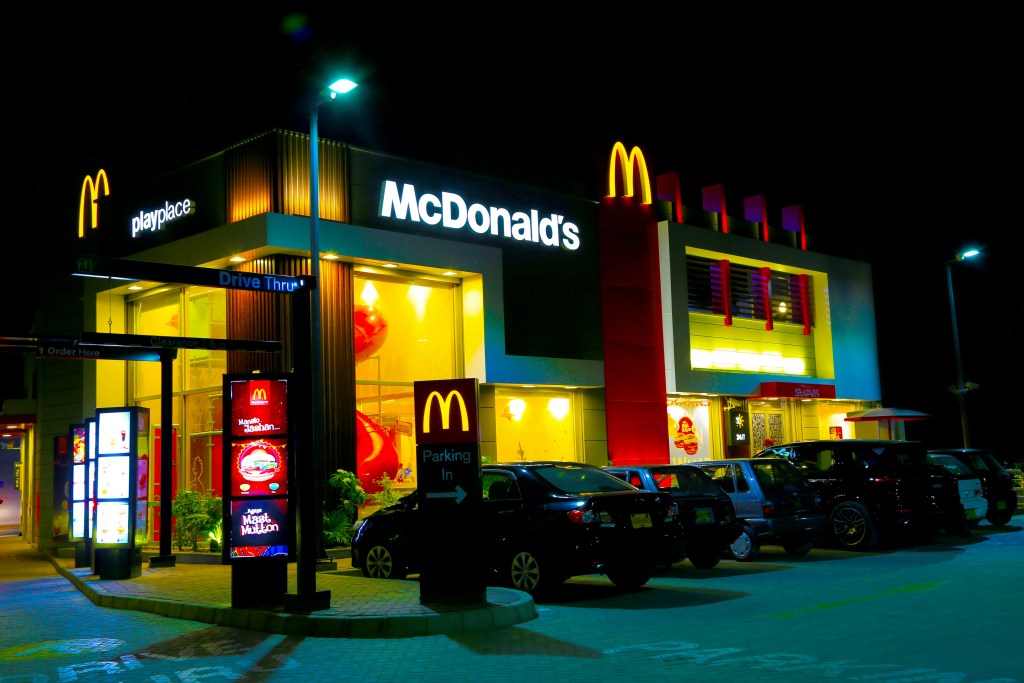
It explained that the current climate around clown sightings required caution. As a result, Ronald stopped appearing in advertising and community activities.
Since then, sightings of the red haired mascot have been rare. However, McDonald’s says Ronald still works behind the scenes.
The company said he continues to visit restaurants and promote new activities. However, he no longer features in major advertising campaigns.
Public reaction to Ronald’s disappearance
After learning why Ronald vanished, many people shared their reactions online. Some said they found it strange that McDonald’s removed him so quietly.
Others said they missed when clowns seemed friendly rather than frightening. As a result, the character’s disappearance still surprises many fans today.
Featured image credit: wikicommons/Chainwit