There has been a major new development in the investigation into the killing of Charlie Kirk.
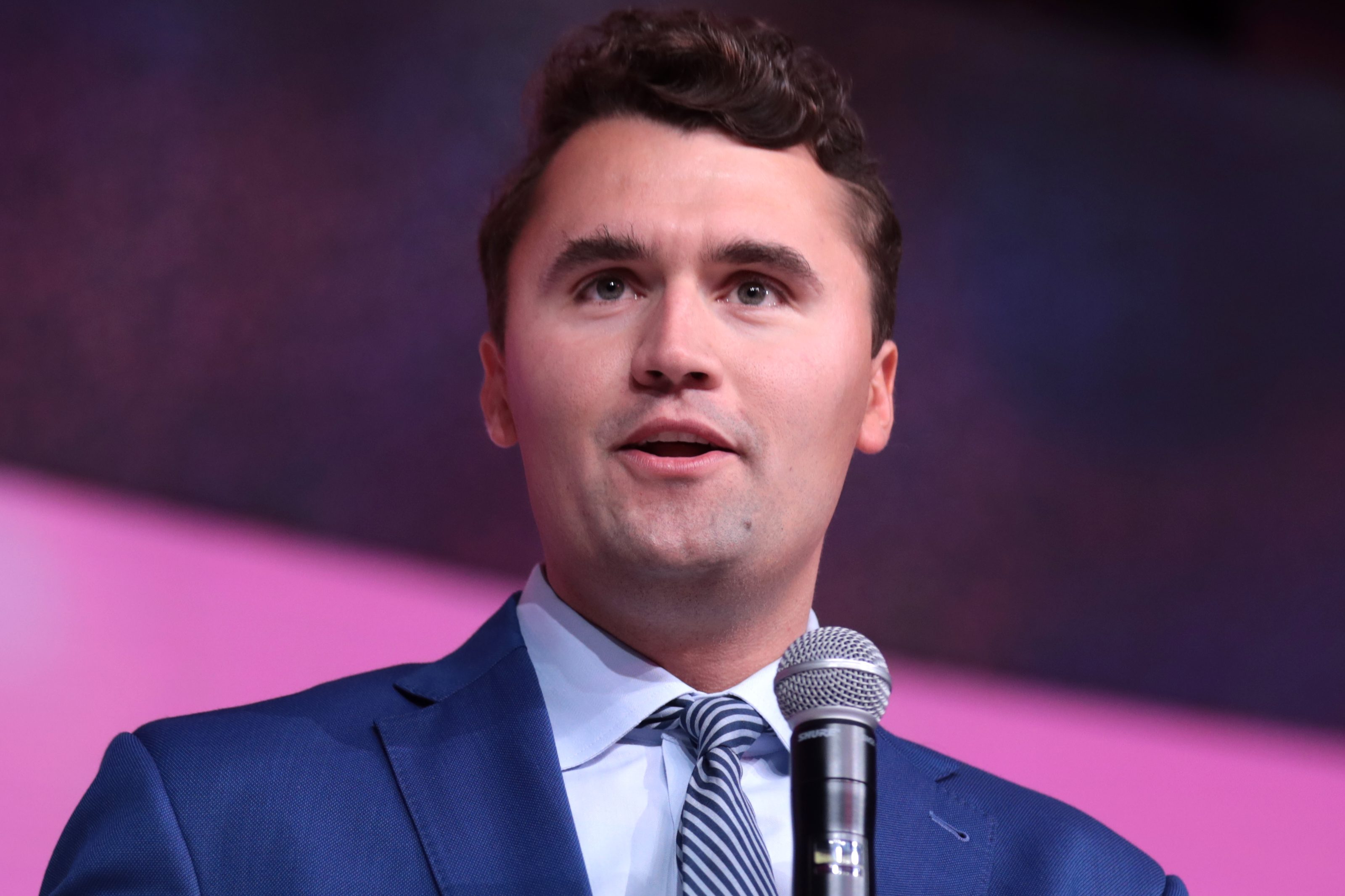
The case has taken several dramatic turns since the shooting on September 10. Kirk, the 31-year-old founder of Turning Point USA, was fatally shot while speaking at Utah Valley University.
The attack happened during the first stop of his American Comeback Tour. He was struck by a single shot to the neck in front of students and supporters.
The killing sent shockwaves through the political world. Kirk was a prominent conservative commentator and a married father of two.
Political leaders and commentators reacted swiftly after the shooting.
President Donald Trump was among those who publicly called for the death penalty for the person responsible.
Law enforcement agencies launched an immediate large-scale response.
Arrest of the accused gunman
After a 33-hour manhunt, police arrested 22-year-old Tyler Robinson in connection with Kirk’s death.
Robinson was formally charged with aggravated murder. He has since appeared in court in person for the first time. Robinson has not yet entered a plea in the case.
His next court appearance has been scheduled for January 16, 2026.

Authorities have said the investigation into Robinson remains ongoing. Law enforcement continues to review evidence gathered from the scene.
Officials have emphasized the seriousness of the charge. The case is being handled at the state level.
False confession caused early confusion
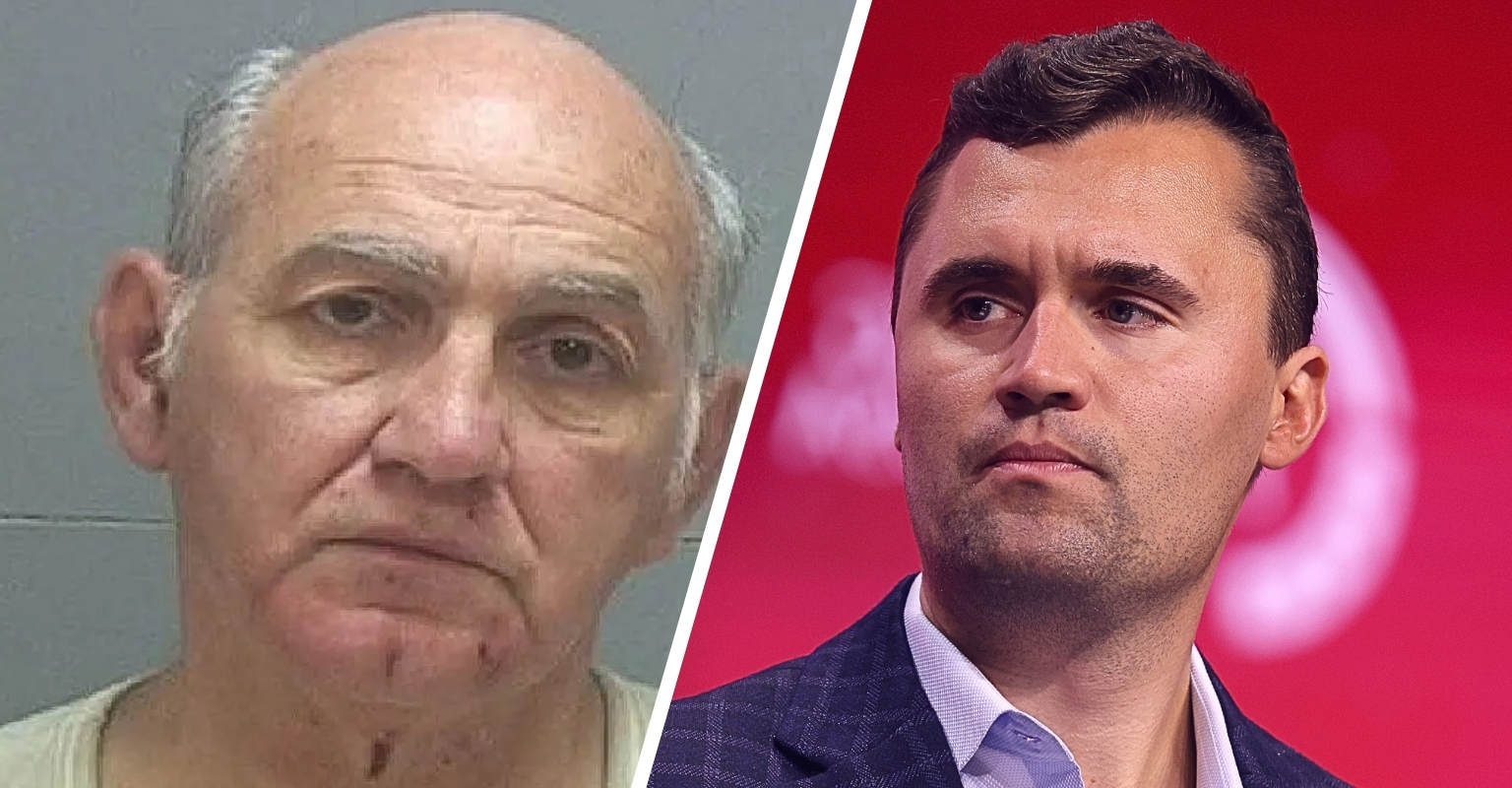
In the chaotic moments after the shooting, confusion spread across campus and online. Videos posted to social media showed police officers escorting a 71-year-old man away in handcuffs.
Students could be heard screaming as the man was taken into custody. The individual was later identified as George Zinn.
According to Newsweek, Zinn approached officers immediately after the shooting. He repeatedly shouted: “I shot him, now shoot me.”
Police later confirmed Zinn was unarmed. His false confession led some observers to believe the shooter had been captured. That belief spread rapidly online during the early minutes of the response.
Law enforcement resources were diverted to detain and process Zinn. During that time, the actual gunman remained at large.
Investigators later confirmed that Zinn’s actions delayed the search for the real suspect. Police said valuable time and resources were lost during the critical initial response.

Zinn was taken to campus police headquarters, where he initially refused to cooperate. He was later transported to a local hospital for a medical issue.
While there, he agreed to speak with an FBI agent and a Utah State Bureau of Investigation official. During questioning, Zinn admitted he had lied.
He told investigators he falsely claimed responsibility to help the real shooter escape. According to the New York Post, Zinn said he “wanted to be a martyr for the person who was shot.” Authorities later charged him with obstruction of justice.
Long history of disruptive behaviour
Police say George Zinn is well known to local authorities. The 71-year-old has a long record of legal trouble in Salt Lake City.
He has been described as a political “gadfly” who frequently attends high-profile events. His appearances were often intended to disrupt proceedings or confront speakers.
One local district attorney said: “Almost every political event you can think of, there was always George somewhere in the background, listening.” Zinn’s criminal history dates back to 1989.
Records show dozens of convictions for petty crimes. These include criminal trespass, theft of services, interfering with police officers, and disturbing the peace.
In 2013, Zinn was arrested after sending a threatening email. The message was sent to organizers of the Salt Lake City Marathon.
The arrest occurred just days after the Boston Marathon bombing. His pattern of behaviour extended to events such as political rallies and the Sundance Film Festival.
Disturbing evidence found during investigation
During his hospital interview, investigators made a disturbing discovery. When asked about his phone, Zinn voluntarily admitted using it to view child sexual abuse material.
That admission immediately shifted the focus of the investigation. The Utah County Special Victims Unit was brought in.
An initial search of Zinn’s phone revealed images described as prepubescent girls “scantily clad.” Investigators then obtained a formal search warrant.
A more thorough examination uncovered more than 20 explicit images. The children depicted were between five and 12 years old.
Police said the images showed children “in various stages of undress and sexual posing.” Investigators also found graphic sexual text conversations.
These messages showed Zinn actively sharing illegal material with others. During questioning, Zinn admitted he “gets gratification from viewing and sharing” such material.
He told investigators his “preferred victim age” was between five and 12 years old.
As a result, Zinn now faces four counts of second-degree felony exploitation of a minor.
These charges are in addition to the obstruction of justice charge related to the shooting investigation.
Court appearance and next steps
Zinn appeared in court on Wednesday, December 17, according to ABC. He waived his right to a preliminary hearing.
This marked his fifth and final waiver hearing across his cases. By waiving the hearing, Zinn allowed the cases to move forward.
He appeared before Judge Thomas Low and was represented by attorney Carly Madsen.
Madsen told the court she had discussed the decision with Zinn. She said they agreed to proceed directly to arraignment.
She also stated her belief that Zinn was competent to continue with the legal process.
Judge Low confirmed that Zinn understood the proceedings. When the judge referenced a possible trial, Zinn expressed confusion. “Oh, I had a misunderstanding,” he said. “I thought that that would waive the trial. I thought that that would just go right into the pleas.”
After speaking privately with his attorney, Zinn confirmed he understood the process. Judge Low then scheduled his arraignment for January 7, 2026.
No link to the shooter
Law enforcement officials have stressed there is no evidence connecting Zinn to Tyler Robinson.
Investigators say the false confession was not part of a coordinated plan. FBI Director Kash Patel said Zinn acted independently.
As one FBI official explained: “Some of these people were taking claims for this horrific act of violence, and they had nothing to do with it.”
Authorities say the two cases remain separate.
Featured image credit: Gage Skidmore & Salt Lake County Sheriff’s Office