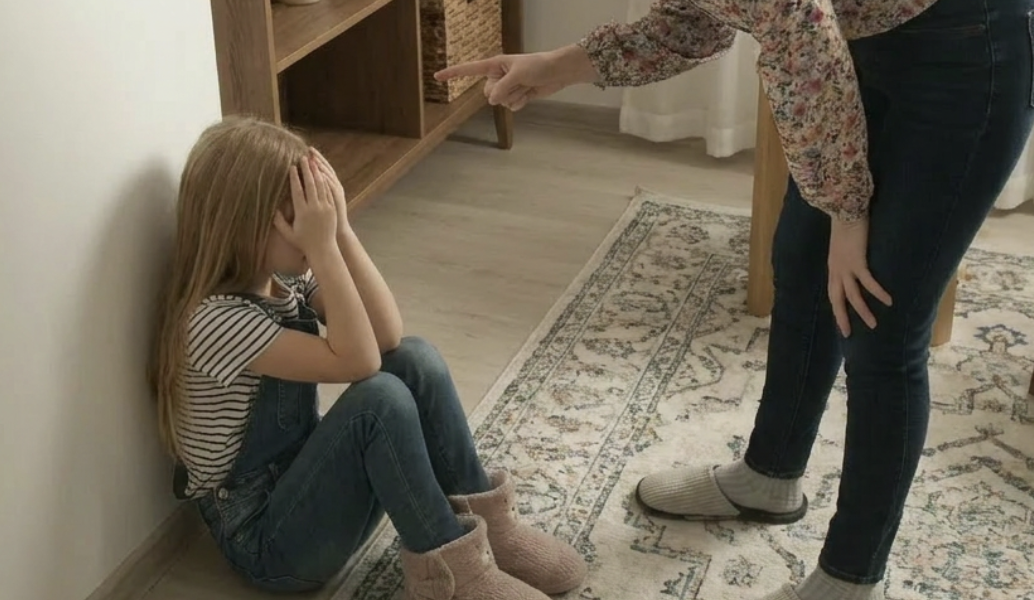
A recent study found that some Gen Z and millennial parents still use spanking as punishment.
The research was published last month in the Canadian Journal of Public Health. It looked at physical discipline across different generations of parents.
Researchers found that about 20% of Gen Z and millennial parents had spanked their children. The survey asked whether they had ever spanked their child or children with their hand. By comparison, 45% of Gen X parents said they had spanked their children.
The findings suggest physical punishment has declined across generations but has not disappeared. Younger parents reported using spanking less often than older parents. However, the study found continued support for the practice among some adults.
The survey included 4,000 adults and also asked about attitudes toward spanking. Around 15% of those surveyed said spanking was necessary to raise a child properly. Experts said the practice is not beneficial and can carry long-term risks.
Expert warned against physical discipline
Dr. Isha Mannering, a pediatrician and parenting expert, said she does not recommend physical discipline. She said spanking may produce immediate obedience but does not teach deeper skills. Those skills include self-regulation, judgment and healthier responses to conflict.

“I generally do not recommend physical discipline,” Mannering said.
“While it may result in compliance in the moment, it does so through fear rather than by teaching the deeper skills children actually need, such as self-regulation or sound judgment.”
Mannering said physical discipline can normalize force as a response to frustration or conflict. She also pointed to research about later behavioural problems in children. A 2021 study found a link between spanking at age three and behaviour at age five.
That study found spanked children were more likely to show externalising behaviours. Those behaviours included destroying their own belongings or being physically aggressive toward others. Another study from 2017 linked spanking with later violence in romantic relationships.
The American Academy of Pediatrics and the World Health Organization both oppose corporal punishment. The WHO defines corporal punishment as physical force intended to cause pain or discomfort. The definition applies even when the discomfort caused is considered light.

Medical groups oppose spanking
The American Academy of Pediatrics previously discouraged spanking in a 1998 clinical report. Its updated 2018 policy took a stronger position against the practice. The academy said evidence showed spanking was unnecessary and could cause lasting harm.
“Although many children who were spanked become happy, healthy adults, current evidence suggests that spanking is not necessary and may result in long-term harm,” the academy advised.
Mannering said the medical community is broadly united against physical punishment. She said research repeatedly challenges its effectiveness and highlights possible risks. She also said non-physical discipline can work without the same potential harm.
“Physical punishment is not more effective than non-physical discipline, and it carries greater potential for harm,” she said.
At least 69 countries have legally abolished all corporal punishment of children. Sweden became the first country to outlaw the practice in 1979. As of 2024, spanking remains legal in all 50 U.S. states.
The study also found a connection between childhood experience and later parenting behaviour. Parents who were spanked as children were more likely to spank their own children. Within the survey, 55.6% of parents reported being spanked three or more times as children.
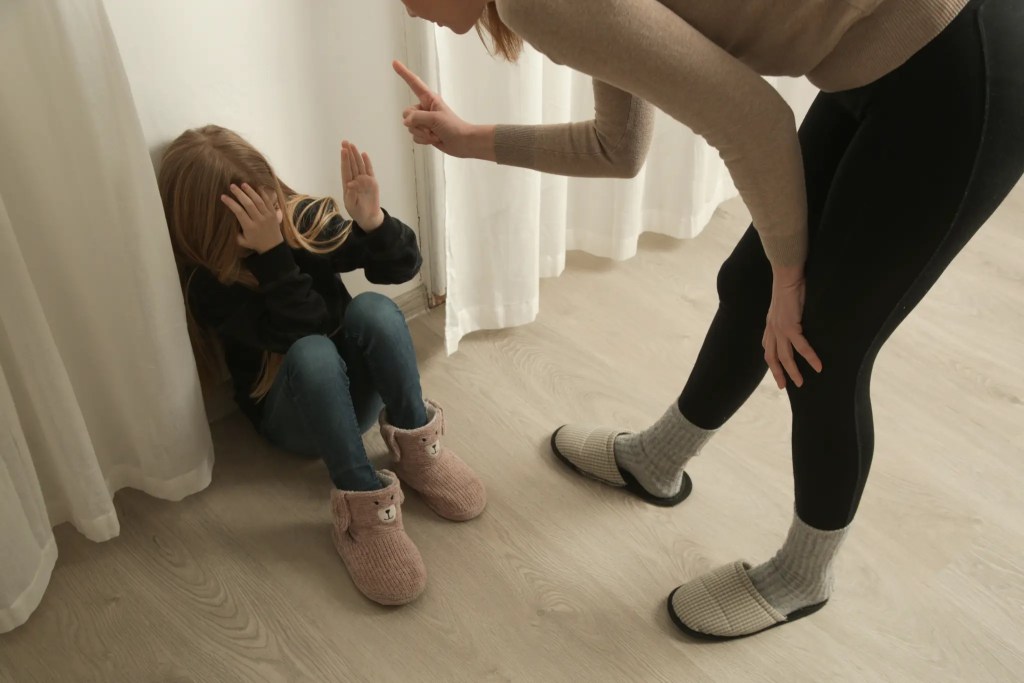
Study linked childhood experience to parenting
Another 40.2% of parents reported being spanked between zero and two times as children. The findings suggested that early experiences may shape later discipline choices. Mannering said younger parents can still change those instinctive responses.
She said Gen Z and millennial parents had already shown a willingness to break cycles. She said that change could also apply to physical punishment. Mannering encouraged parents to recognise the impulse before responding physically.
“Gen Z and millennial parents have already shown a willingness to break cycles, and they can do that here as well,” Mannering said.
“Rewiring the response begins with a mindset shift – recognizing the impulse in the moment and replacing a physical reaction with calm, consistent, predictable discipline.”