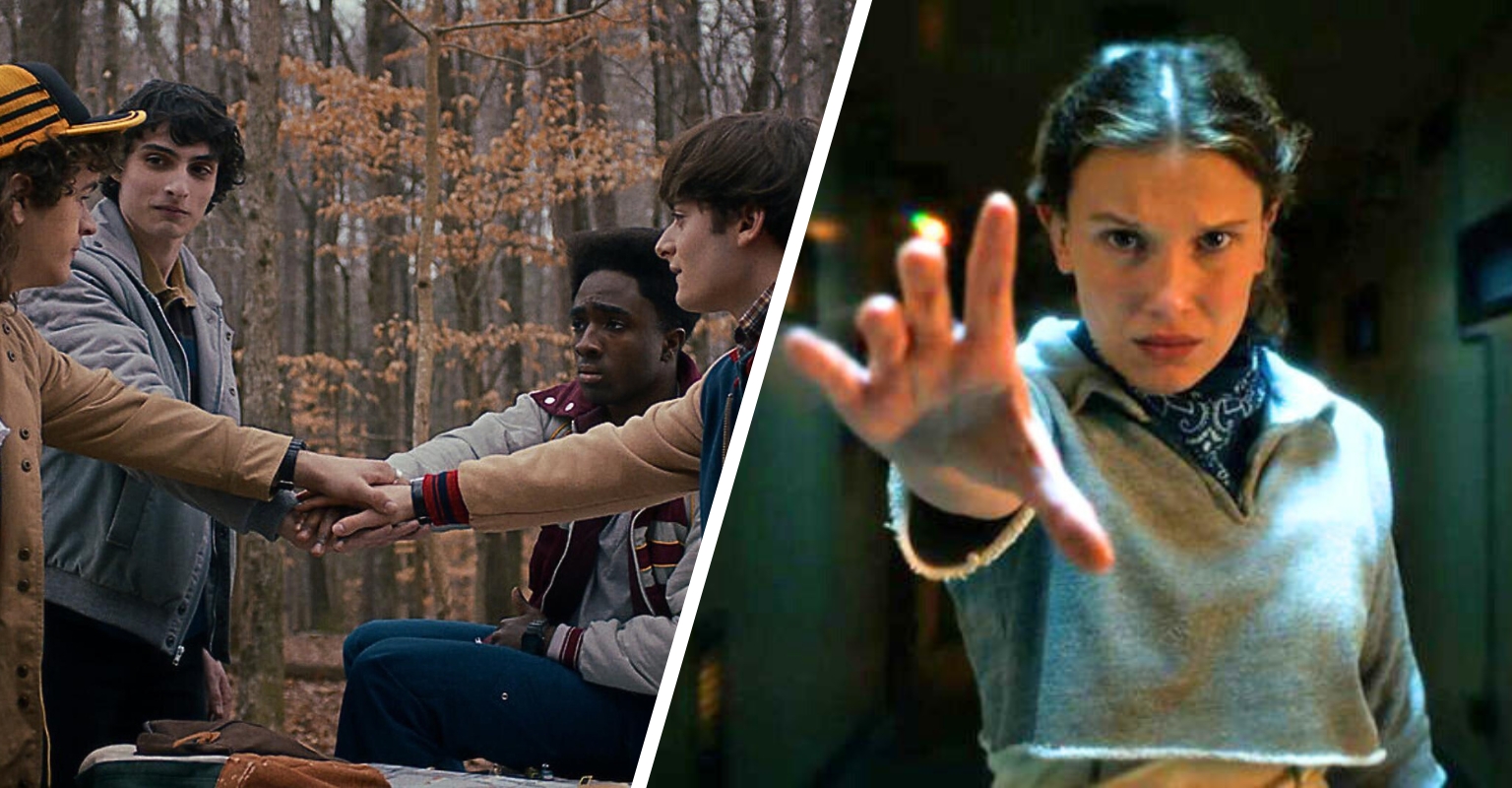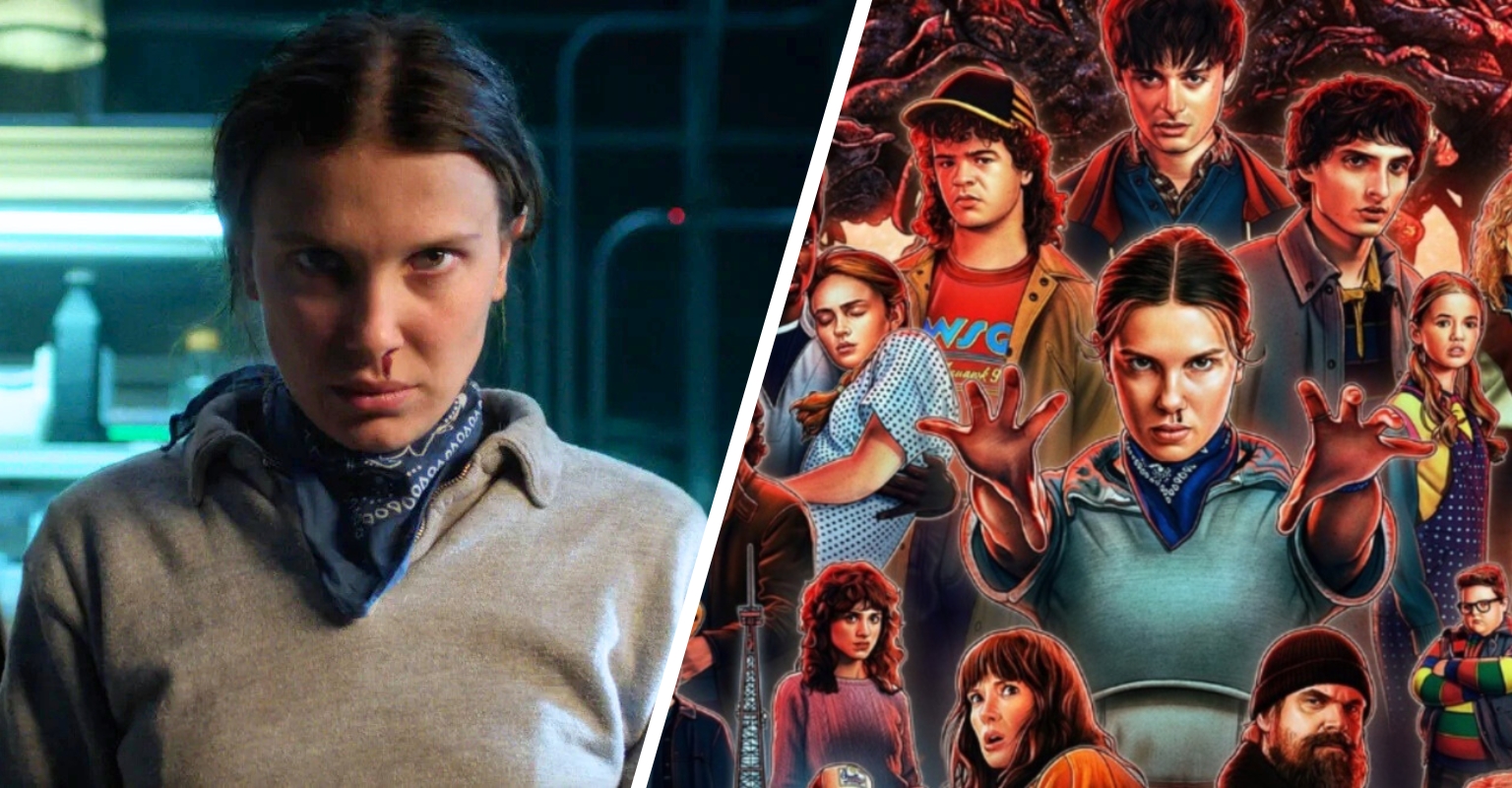
Netflix’s Stranger Things has taken over the world with its mix of supernatural horror, creepy government labs and ultimate 80s nostalgia.
But what fans might not know is that some parts of the show might actually be inspired by terrifying real-life conspiracy theories.
And one of the most disturbing theories is called The Montauk Project.
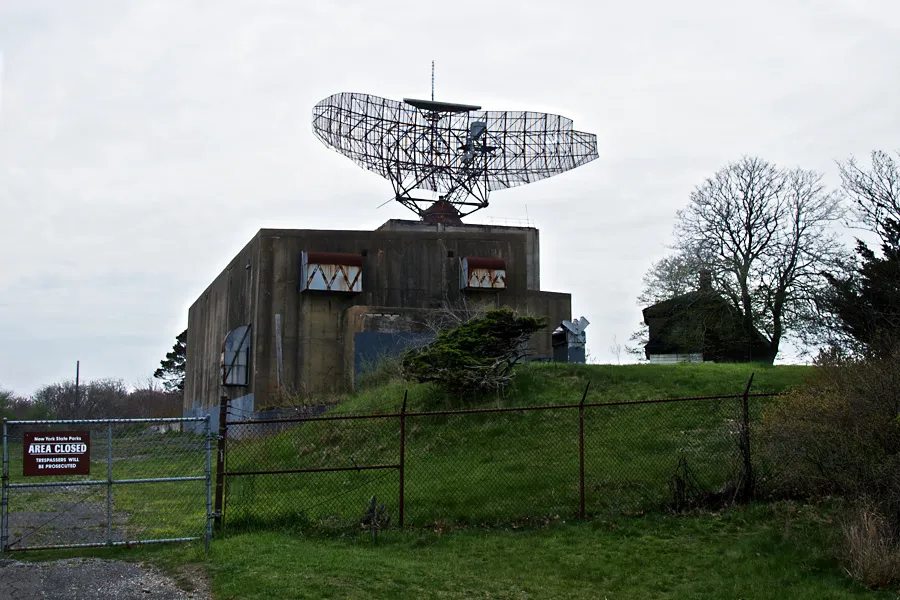
This conspiracy claims the US government ran top secret experiments on kids at an abandoned military base in Montauk, New York.
People believe that scientists tried to create psychic soldiers, play with time travel, open portals and mess around with mind control.
Sounds familiar, right? Lab kids with powers. Secret underground research. Portals to other dimensions.
Netflix even confirmed that Stranger Things was originally titled Montauk before they changed it to Hawkins, Indiana.

The Duffer Brothers admitted it was inspired by creepy rumors about strange experiments and government secrecy.
One of the most famous stories from the Montauk Project involves a psychic child who allegedly created a monster using only his mind.
Some believe this supposed creature broke into our world and caused chaos at the base.
Fans instantly compared this to the Demogorgon escaping from the Upside Down, and honestly, it’s hard not to see the similarity.
Real-Life Conspiracy or Just Perfect Storytelling?
The Montauk Project became publicly known in 1992, when Preston B. Nichols and Peter Moon released a wild book called The Montauk Project: Experiments in Time.
In the book, they described disturbing stories about experiments on children, who were supposedly used to test psychic powers and other secret abilities.
Nichols claimed that some kids could read minds, move objects, and even look through time and space during experiments.
One story describes a moment where scientists allegedly tore open a “porthole in time,” and something terrifying came through.
Many fans joked it felt exactly like a Netflix plot twist.
The book also claimed these experiments were funded using hidden Nazi gold, because apparently nothing says conspiracy like adding secret treasure and wartime scandal.
Authors even suggested that one psychic subject could “observe through others,” just like Eleven does in her sensory deprivation tank sequences.
And yes, the internet noticed.
Fans on Reddit, TikTok and YouTube have been collecting comparisons, claiming Stranger Things didn’t just take inspiration from the conspiracy, but might be lightly based on it.
Some are convinced the show is hiding real stories underneath all the drama and nostalgia.
Others think it’s just brilliant storytelling, based on weird rumors and misunderstood science.
Either way, the resemblance is seriously chilling.
Where Fiction and Reality Start to Blur
Even though there is no official proof that these experiments took place, the Montauk theories have created a huge cult following.
Abandoned buildings near Camp Hero still attract urban explorers who swear they’ve seen underground tunnels and strange locked doors.
The Duffer Brothers even said removing Montauk from the show’s name was a “tough decision,” because the concept was rooted so deeply in it.
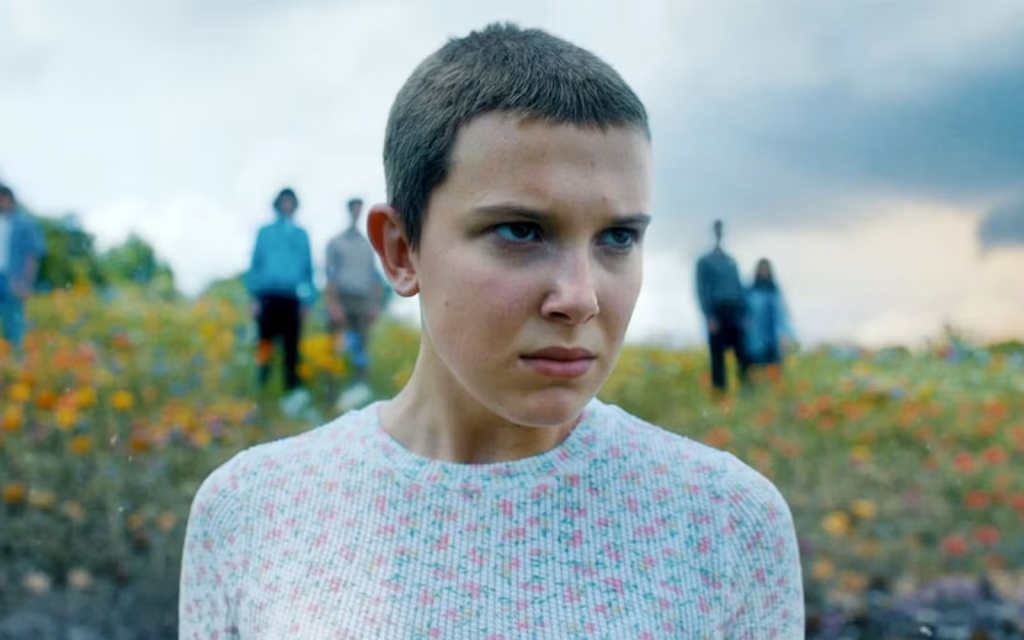
Still, Hawkins ended up being a perfect fictional replacement, keeping all the mystery without using real locations.
However, the themes stayed almost identical.
Secret research experiments on children.
A mysterious young girl with telekinetic powers.
Dangerous portals to another world.
Military denial of paranormal events.
It’s no wonder fans started asking if Stranger Things is just entertainment, or something more.
Even people who don’t believe the conspiracy admit the eerie similarities are interesting.
It makes Stranger Things feel a bit more spooky, knowing that some people genuinely believe it might be closer to reality than we think.
Whether the Montauk Project is truth, fiction or just brilliant inspiration, it adds a whole new layer of mystery to the Netflix series we all love.
And next time you see Eleven in that lab fighting the Demogorgon, just remember—some people think that story might have started right here, in our world.
Featured image credit: Netflix