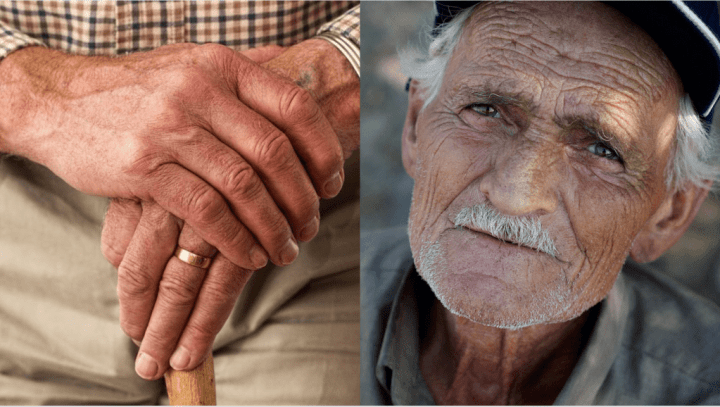
Determination of human life expectancy is a complex puzzle influenced by a multitude of factors. Lifestyle choices, such as diet, exercise, and habits like smoking and drinking, substantially impact an individual’s life expectancy. As we age, general wear and tear further adds to the equation. Reaching one’s 60s in certain countries initiates the transition into the category of ‘pensioner.’ However, many individuals in their 80s and 90s prove that they are far from finished with their time on Earth.
Recent research conducted by statisticians from Tilburg and Rotterdam’s Erasmus universities in the Netherlands has brought forth intriguing insights into the maximum lifespan that humans can aspire to achieve. Instead of focusing on life expectancy, the researchers aimed to identify the maximum lifespan attainable by an individual who takes care of themselves and isn’t prematurely affected by illness or other circumstances.
To gain these insights, the study analyzed the ages of 75,000 individuals in the Netherlands who passed away over a 30-year period up to 2017. The findings indicated that an individual’s maximum lifespan reaches a plateau in their nineties. Although some people indeed live beyond this milestone, women tend to have a slight advantage over men in terms of lifespan. According to the research, it is improbable for a human to exceed 115 years of age, with the maximum lifespan for females estimated at 115.7 years and for males at 114.1 years.
Professor John Einmahl, one of the scientists involved in the study, discussed the findings. He explained, “On average, people live longer, but the very oldest among us have not gotten older over the last thirty years. There is certainly some kind of a wall here. Of course, the average life expectancy has increased. Nevertheless, the maximum ceiling itself hasn’t changed.”
While the research points to these suggested maximum lifespans, Einmahl acknowledged that there are instances of individuals defying these norms and surpassing these expectations. Earlier this year, the world mourned the loss of its oldest person, French nun Sister André, who passed away at an impressive age of 118. Following her death, Guinness World Records recognized US-born Maria Branyas Morera as the world’s oldest living person, at the age of 115. Morera currently resides in a nursing home in Catalonia, Spain, but her journey began in San Francisco on March 4, 1907.
These revelations highlight the complexities surrounding human longevity and continue to raise questions about the factors contributing to an individual’s ability to defy the odds and live beyond the projected maximum lifespan. Despite the research’s valuable insights, it is clear that some individuals continue to challenge these boundaries and embark on extraordinary journeys of longevity.