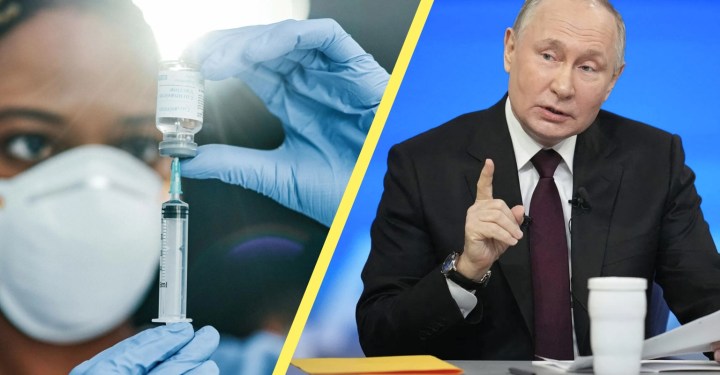
Russia has announced what it claims is a breakthrough in cancer treatment: a new mRNA-based vaccine called Enteromix.
The development has been hailed by officials as a medical milestone, but questions remain over the lack of published data and the timing of its unveiling, which has reignited speculation about President Vladimir Putin’s health.
A “Revolutionary” Approach
The vaccine was presented at the Eastern Economic Forum in Vladivostok by the Federal Medical and Biological Agency (FMBA). Built on the same messenger RNA (mRNA) technology used in COVID-19 vaccines, Enteromix is designed to trigger the body’s immune system to recognise and attack cancer cells.
Unlike conventional therapies, the vaccine is described as personalised medicine, tailored to a patient’s individual RNA and tumour profile. It was initially developed to treat colorectal cancer but is also being tested against glioblastoma, a highly aggressive brain tumour, and certain forms of melanoma.
Trial Claims and Questions
According to Russian authorities, Enteromix has shown striking results in preclinical and early trial stages. Reports cite tumour shrinkage or slowed progression in 60–80% of cases, while some officials have gone further, claiming “100% efficacy” in initial human trials.
The FMBA also reported no serious side effects and declared the vaccine “ready for clinical use.” Officials have promised that, once approved, Enteromix will be made available free of charge to patients across Russia.
However, doubts persist. No peer-reviewed studies or independent data have been released, and details about trial design, patient numbers, and methodology remain scarce. International experts warn that without transparent clinical evidence, Enteromix should still be considered experimental.
Speculation Over Putin’s Health
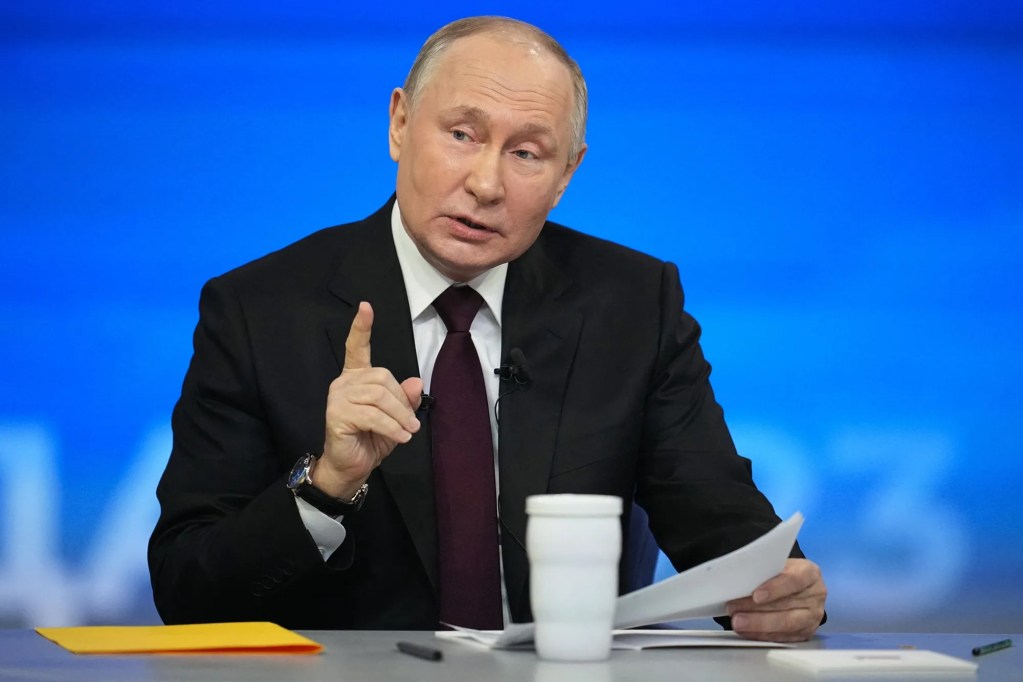
The announcement has coincided with renewed rumours about President Vladimir Putin’s health, particularly longstanding claims that he may be battling cancer. While the Kremlin has made no comment, the overlap between the vaccine’s unveiling and the resurgence of such speculation has fuelled debate over whether Enteromix might be intended for elite or “compassionate use.”
Medical specialists note that treatments at this stage are typically restricted to controlled clinical trials. Still, Russia has a history of fast-tracking experimental therapies for senior officials, raising the possibility that the vaccine could be deployed outside normal regulatory procedures.
What Comes Next
For Enteromix to gain international credibility, Russia will need to provide transparent trial data and undergo independent review. Regulatory approval from the Ministry of Health is still pending, and it remains unclear when – or if – the vaccine will become widely available.
If proven effective, Enteromix could represent a major step forward in oncology, offering personalised immunotherapy with fewer side effects than conventional treatments. Until then, the vaccine’s promise remains overshadowed by uncertainty, political context, and speculation over its most high-profile potential patient.