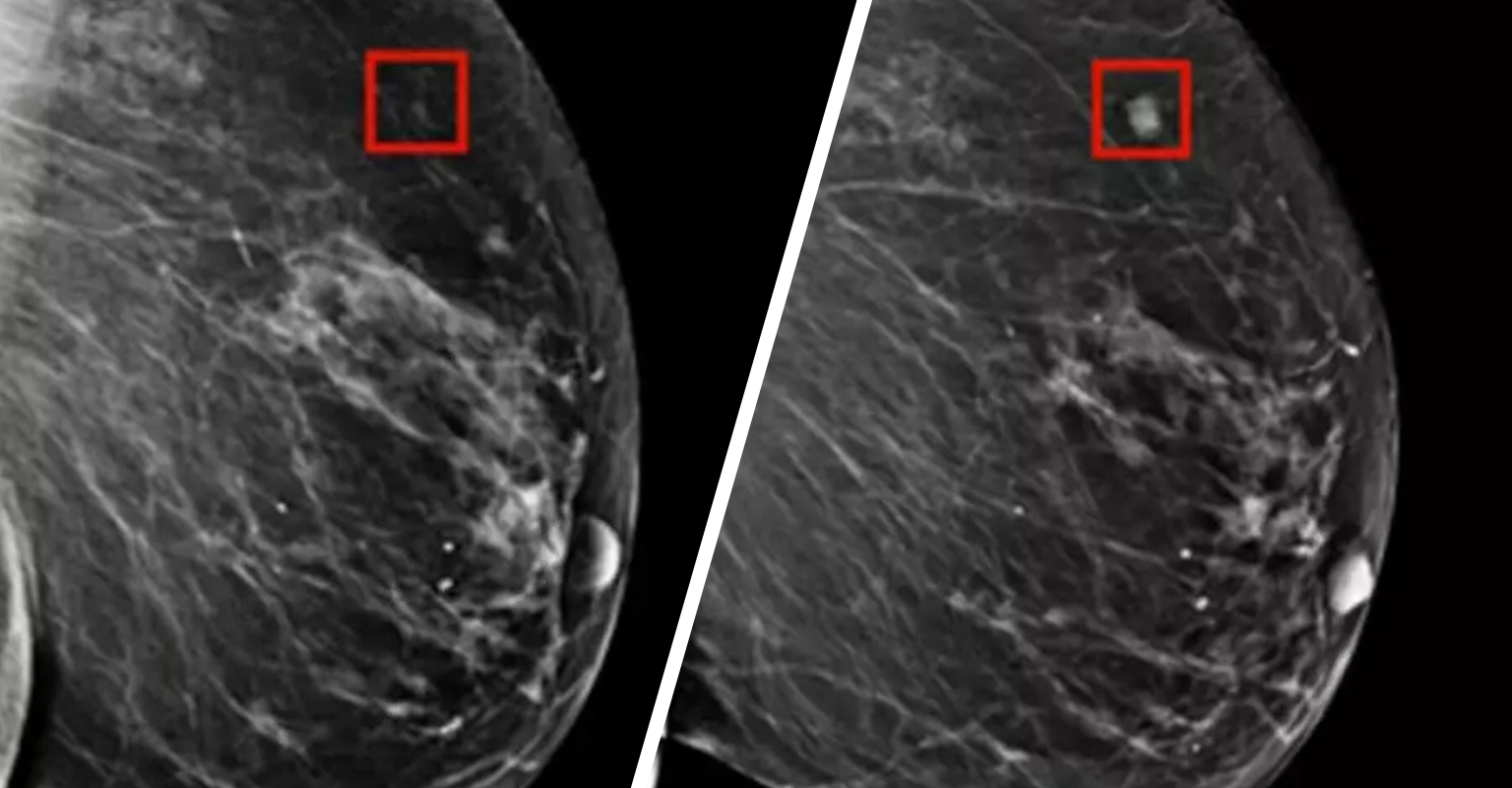
An artificial intelligence program has detected breast cancer in a woman four years before the disease developed.
The case is being viewed as a potential breakthrough in early cancer detection. Researchers say the technology could help identify cancers long before symptoms appear. The advance may significantly improve long-term survival rates.
While artificial intelligence has raised concerns in some areas, experts say it can offer clear benefits in healthcare. New tools are increasingly being used to assist doctors in diagnosis.
Some technologies already help identify conditions affecting mobility and neurological health. Cancer screening is now another major area of development.
AI-based screening tools are designed to detect subtle changes in medical images. These changes may indicate elevated cancer risk rather than active disease.
Researchers say this allows earlier monitoring and intervention. The goal is to prevent cancers from reaching advanced stages.
The technology is currently being used in Hungary with reported success. Health systems in the United States, the United Kingdom, and other parts of Europe are also exploring trials.

Officials say further testing is needed before wider adoption. Even so, early results have been encouraging.
How the technology works
Speaking to CNN, Dr Larry Norton of the Lauder Breast Center explained how the system operates. He said artificial intelligence helps refine processes that have existed for decades.
The technology analyzes mammogram images and compares them with vast image databases. This allows it to flag abnormalities for closer review.
“AI is a tool that machines use for looking at images and comparing those images,” Dr Norton said. He explained that it highlights areas a human radiologist may want to examine more carefully.
The method is known as computer-assisted detection. It has been in use since the late 1990s but has improved significantly.
Dr Norton noted that many abnormalities seen in scans are not cancer. He said doctors cannot classify every irregularity as cancer because that would lead to unnecessary biopsies.
Such an approach would not be practical or safe. Instead, the AI focuses on identifying overall risk patterns.
“What this work does is it identifies risk,” Dr Norton said. He explained that the system can warn patients of a high likelihood of developing breast cancer. This can happen years before any cancer is visible.
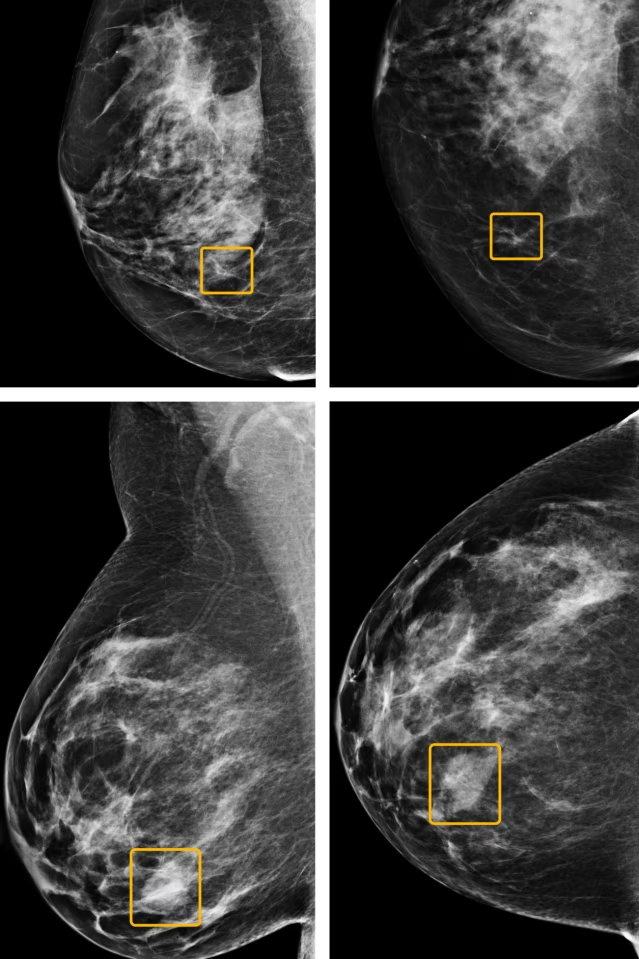
The approach shifts screening from detection to prevention-focused monitoring.
Role of doctors and screening impact
Dr Norton emphasized that artificial intelligence is designed to support, not replace, medical professionals. He said radiologists remain essential to interpreting results.
Humans can order additional tests that AI systems cannot request independently. These include contrast-enhanced mammograms and MRI scans.
Doctors can also review previous mammograms to look for changes over time. This historical context is critical for accurate diagnosis.
Dr Norton said AI should be viewed as a tool that improves how images are reviewed. He stressed it is not a standalone test.
“We’ve got to think of AI as a tool for helping radiologists look at the images better,” he said. He added that the technology will not replace radiologists. Instead, it may improve accuracy and efficiency in busy clinical settings.
According to The New York Times, the technology has already reduced radiologist workloads by about 30 percent. At the same time, cancer detection rates increased by 13 percent. The report described these outcomes as significant improvements.
The newspaper also reported that AI was tested on particularly difficult cases. In those cases, early cancer signs had been missed by radiologists. The AI system was able to identify the risks successfully. Researchers say this highlights its potential value.
Artificial intelligence has also shown success in detecting other cancers. Previous studies found strong results in early lung cancer identification.
Experts say continued research will determine how widely these tools can be deployed.
For now, many see the technology as a promising step forward in cancer screening.
Featured image credit: Lauder Breast Center at the Memorial Sloan Kettering Cancer Center/CNN