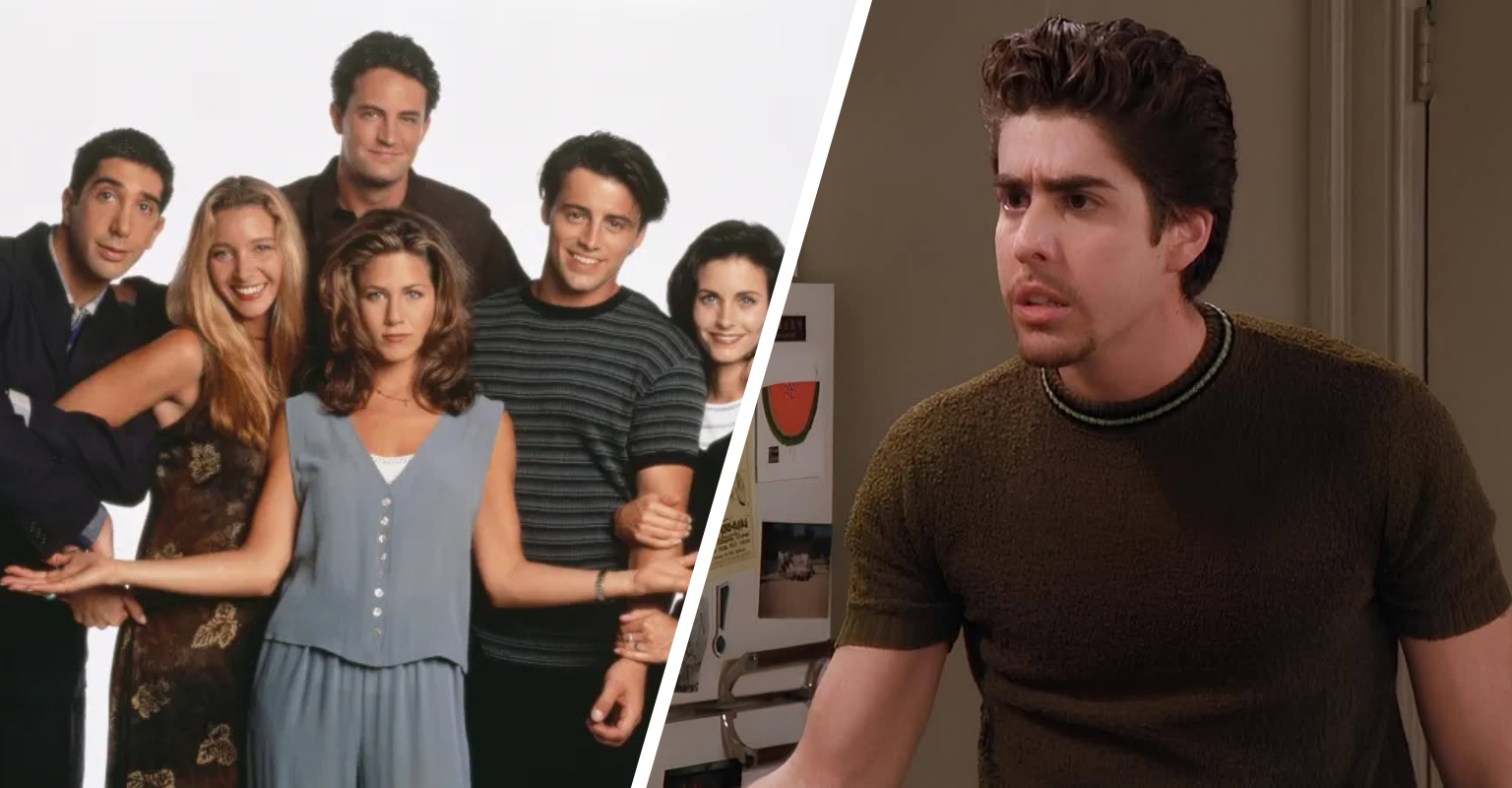
Actor Adam Goldberg has spoken openly about what he sees as major flaws in the hit sitcom Friends, particularly its lack of diversity.
While the show remains one of the most successful comedies of all time, Goldberg says parts of it now feel disconnected from reality. His comments add to a long-running conversation about representation in classic television.
Friends debuted in 1994 and followed six close friends living in New York City. Created by Marta Kauffman and David Crane, the show became a cultural phenomenon almost instantly.
It ran for ten seasons and ended in 2004, yet it continues to attract large audiences through streaming platforms.
Despite its popularity, criticism has followed the series for years. Many viewers point out that the show presents a narrow and unrealistic version of New York life.
That criticism has only intensified as audiences rewatch the series with modern expectations around inclusion and authenticity.
A city known for diversity, missing on screen
New York City is widely recognised as one of the most diverse cities in the world. According to Data USA, its population includes large Black, Asian, Hispanic, and multiracial communities.

However, Friends featured six white main characters, with people of colour appearing only occasionally and usually in minor roles.
Those limited appearances did little to reflect the city’s real demographics. As a result, critics argue the show failed to represent the cultural reality of its setting. This disconnect has become one of the most frequently cited criticisms of the series.
One notable exception came later in the show’s run. Aisha Tyler appeared in nine episodes as Dr. Charlie Wheeler, a palaeontology professor.
She later dated Ross, played by David Schwimmer, becoming the first Black actor with a recurring role.
Even so, many viewers felt her inclusion came too late. Critics also argued that a single recurring character could not make up for years of limited representation.
Cast and creators reflect on past choices
Several people involved in Friends have since acknowledged the issue. In a 2020 interview, Schwimmer said it felt wrong that the show lacked broader representation.
He explained that he believed Ross should have dated women of different races throughout the series.

Co-creator Kauffman initially defended the show during earlier criticism. However, her perspective shifted following the murder of George Floyd in 2020 and the global protests that followed.
She later said the show’s shortcomings stemmed from her own internalised systemic racism.
Kauffman described the process of confronting that realisation as painful and embarrassing. She said she did not know better at the time, but recognised the need to take responsibility.
As part of that effort, she pledged $4 million to Brandeis University to fund a professorship in African and African American studies.
Adam Goldberg’s perspective
Goldberg appeared in three episodes as Eddie, Chandler’s eccentric temporary roommate. Although his role was brief, the character became memorable to fans.
Speaking to The Independent, Goldberg said he enjoyed working on the show but now sees its limitations more clearly.
He said the portrayal of New York felt unrealistic in several ways. Goldberg questioned how the characters could afford such a large apartment while appearing to work irregular jobs.

He added that, alongside those financial inconsistencies, the lack of diversity now feels especially glaring.
Goldberg also reflected on how audiences of colour viewed the show at the time. He said many Black viewers never expected to see themselves represented, so the absence of diversity was not surprising.
Despite that, he noted that people still connected with the characters, regardless of race.
As a Jewish actor, Goldberg also spoke about typecasting in his own career. He said he often criticised how Italian actors played Jewish roles, while Jewish actors rarely played Italians.
He recalled being told he did not seem “all-American enough,” a comment he believes would not be acceptable today.
Looking back, Goldberg said television at the time simply reflected broader cultural norms. He argued that Friends amplified those norms rather than challenged them.
Still, he believes it is important to acknowledge the show’s shortcomings as audiences continue to reassess influential series through a modern lens.
Featured image credit: Friends