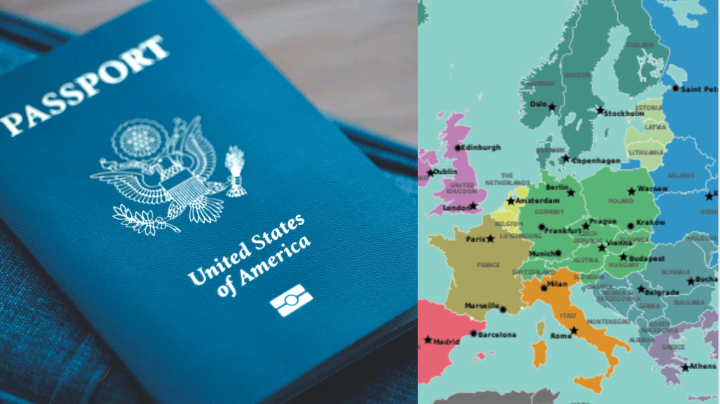
In a significant change for US citizens planning to travel to Europe, the European Union has announced the implementation of the European Travel Information and Authorisation System (ETIAS) starting in 2024.
The new requirement means that travelers from the US will need to obtain pre-approval through the ETIAS application process before embarking on their European vacations.
Gone are the days of spontaneous getaways, as travelers will now need to plan ahead and submit an ETIAS application, which comes with a nominal fee of approximately $8. The application process involves providing essential travel documentation, such as a valid passport, as well as personal information, educational background, occupation, and details about the intended trip. Additionally, applicants must disclose any previous criminal convictions.
Most ETIAS applications are swiftly processed within minutes, but some may take longer, prompting the European Union to advise applicants to apply well in advance of their travel dates. While a response is typically provided within four days, certain circumstances may extend the processing time to 14 to 30 days.
Once approved, the ETIAS authorization remains valid for up to three years or until the expiration of the traveler’s passport. With a valid ETIAS travel authorization, US citizens can enjoy short-term stays in 30 European countries for a period of up to 90 days within any 180-day period. However, it is important to note that possessing an ETIAS does not guarantee entry into these countries. Border guards will still verify travelers’ documents upon arrival and ensure they meet the entry conditions.
Among the countries included in the ETIAS requirement are popular European destinations such as Spain, Germany, France, and Greece. However, for fans of the iconic movie “Mamma Mia!”, it’s worth noting that the requirement does not apply to Greece, as the country is not part of the ETIAS scheme.
While the initial announcement set January 2024 as the implementation date, experts speculate that further delays might occur. Despite the impending changes, some travel experts have raised concerns about potential confusion and inconvenience for American travelers. CBS News travel editor Peter Greenberg pointed out that the US could also respond with its own visa charge and application process, adding an additional layer of complexity to the travel arrangements for US citizens visiting Europe.
In preparation for the ETIAS requirement, US travelers are encouraged to familiarize themselves with the new process and plan their trips accordingly. As this marks a significant shift in travel procedures for US-Europe travel, it’s essential for prospective travelers to stay informed and prepared to ensure a smooth and hassle-free journey to their favorite European destinations.