A small act of kindness by a Starbucks barista that went viral is once again sparking a debate on social media, focusing on issues of personal boundaries, gender dynamics, and the role of bystanders in public spaces.
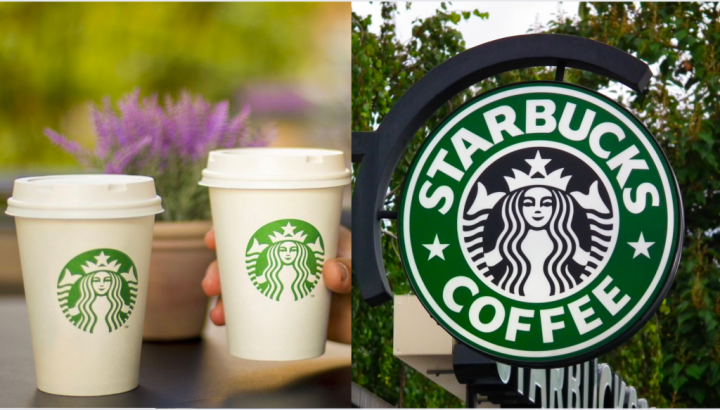
The story began when Brandy Selim Roberson shared her daughter’s experience in a Facebook post. Her 18-year-old daughter had been studying alone at a Corpus Christi Starbucks when an unknown man approached her and started a conversation. A barista at the coffee shop handed her an “extra hot chocolate someone forgot to pick up” with a hidden message on the cup: “Are you okay? Do you want us to intervene? If you do, take the lid off the cup.”
Roberson praised the barista’s action in her post and expressed gratitude for people who look out for one another. Her daughter didn’t remove the lid but felt safe knowing the Starbucks team was there to help if needed.
The story resurfaced online when it was shared by the account Call to Activism on the social platform X, generating significant attention and diverse reactions. Many applauded the Starbucks staff for their vigilance and readiness to assist a customer in a potentially uncomfortable situation. Some saw it as a heartening example of strangers looking out for each other, especially young women.
However, the incident also sparked a debate online. Some commenters felt that the Starbucks staff had overreacted, and they expressed concerns about the current state of male-female relations. This group lamented how changing societal norms and the fear of being perceived as creepy were making it challenging for men to approach women in various settings.
The debate extended to broader issues such as feminism, gender dynamics, and the role of feminism in shaping perceptions of men. There was disagreement about whether these societal changes are positive or detrimental, with some asserting that feminism had created an exaggerated fear of men as potential threats.
Critics argued that women’s studies departments and feminist activism have amplified a sense of men as violent assault machines, contributing to an atmosphere of hysteria and paranoia.
In response, some commenters argued that the negative reactions of certain individuals exemplified why bystanders and employees, like the Starbucks staff, feel compelled to intervene when they believe a woman may be uncomfortable. They contended that men need to respect women’s boundaries and shouldn’t approach them simply because they can or believe there is no harm in doing so.
The Starbucks incident serves as a microcosm of a larger societal debate about personal boundaries, changing social norms, and gender relations. It highlights the complexities and uncertainties that individuals navigate when it comes to approaching or assisting others in public spaces.
As society continues to evolve, striking a balance between creating a safe and respectful environment for all individuals while avoiding over-policing and impeding natural interactions is a challenge that remains central to these discussions.