People have expressed surprise after discovering what year it officially is in North Korea following a change in the country’s calendar system.
The revelation circulated widely online, prompting reactions to the way time has been historically measured in the country. North Korea is known for its isolation, and many aspects of daily life remain unfamiliar to outside observers.
The discussion emerged after it became known that North Korea has quietly adopted the Gregorian calendar. This calendar system is used by most countries around the world.
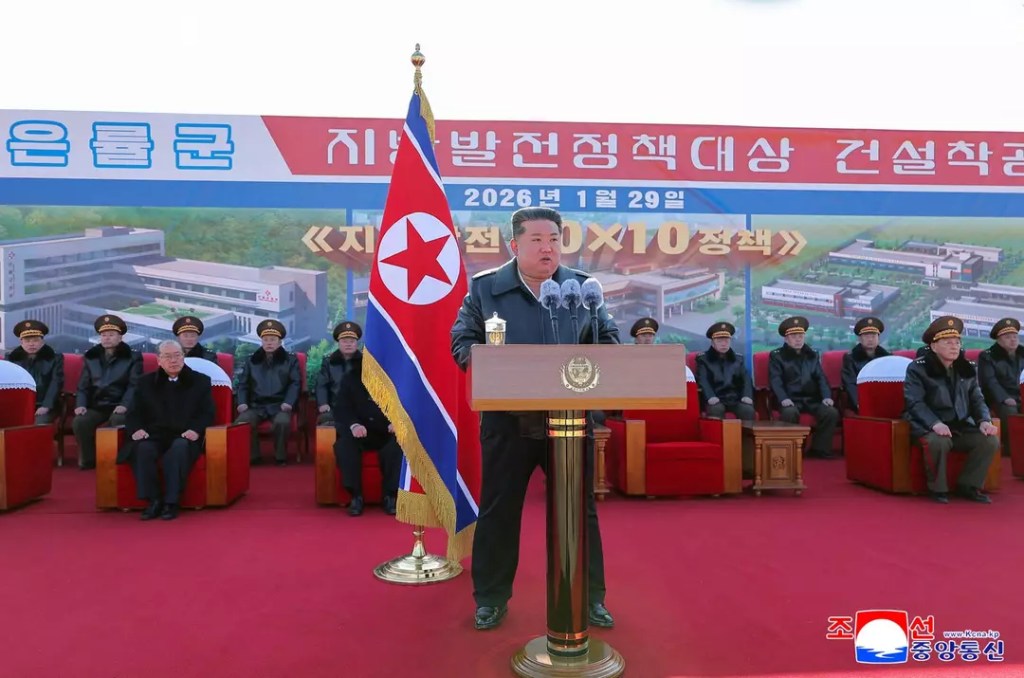
As a result, the country is now officially observing the year 2026. Previously, North Korea followed a different dating system tied to its political ideology.
North Korea once used the Juche calendar, which begins with the birth of former leader Kim Il-Sung. Kim Il-Sung was born on April 15, 1912, which marked year one in that system.
Under the Juche calendar, the country would be entering year 114 in April this year. This approach linked the passage of time directly to leadership history.
Despite the shift to the Gregorian calendar, the Juche system still holds ideological significance within the country. The regime continues to reference Juche years in official and symbolic contexts.
Observers say the transition has not eliminated the influence of the earlier system. Instead, both methods appear to coexist in different settings.
Public reaction and expert analysis
As the calendar change gained attention online, social media users shared varied reactions. On Reddit, one user wrote: “Day to day this makes as much sense as anything else for them I guess.
They aren’t allowed to learn world history so who cares about the years prior and how the rest of us have the timeline.” The comment reflected skepticism about the importance of historical dating within the country.
Another user compared North Korea’s system to others used globally. “I mean, we also count the years starting from when some dude was born.
The difference is our choice of dude,” the user wrote. A third commenter noted: “The north Koreans can also prove without a shadow of doubt that he existed and did some things, though he also has his share of miraculous and supernatural claims.”
A fourth user highlighted similar practices elsewhere. “Japan keeps its own dates too — it’s currently Reiwa 5, for the fifth year of the Reiwa era,” the comment stated.
The user added that Taiwan also uses a system beginning in 1912. The comment noted that people in these countries still recognize the Gregorian year alongside local systems.
In late 2024, NK News reported that North Korea was abandoning the Juche calendar in favor of the Gregorian calendar. Hong Min, a senior analyst at the Korea Institute for National Unification, commented on the shift.
“Of course, when viewed from a broader perspective, this may also serve to highlight the Kim Jong Un era more distinctly,” he said.
He added that minimizing ties to previous leadership could emphasize Kim Jong Un’s achievements.