It’s become one of the biggest parenting trends online.
Mums and dads proudly post pictures of their kids, but cover their faces with emojis.
From celebrities like Meghan Markle and Gigi Hadid to thousands of regular parents, emojis became the go-to privacy fix.
But experts now say emoji faces don’t actually protect your children at all. In fact, they warn it could be giving people a false sense of safety.
Cybersecurity expert Lisa Ventura told The Independent, “Putting an emoji over a child’s face provides virtually no real privacy protection whatsoever.”
She says it’s basically “security theatre,” and can even be more risky than helpful.
Why emoji-covered photos actually reveal more than you think
Even if you cover the face, the rest of the image isn’t safe.
Experts say strangers can still figure out huge amounts of information from background clues.
That includes school uniforms, street names, parks, time of day, and even your home location.
Posting multiple photos over time makes things even worse.
Ventura explains, “The combined data from all those posts creates a much bigger privacy concern.”
Advanced AI tools can now remove emoji stickers and reconstruct faces digitally. That means predators, scammers, or cyberbullies can still access the real image.
Some AI programs can even digitally age a child’s face or clone their features.
Experts warn that criminals can piece together details like age, school, parents’ names, routines, and location.
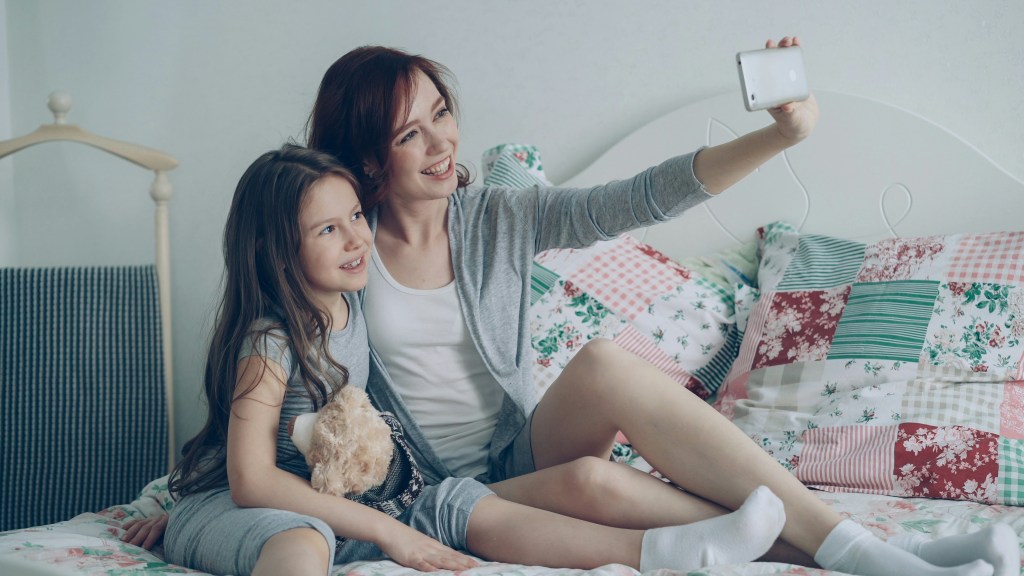
In some cases, they can even create fake identities using your child’s information.
Identity theft often goes unnoticed for years, because children don’t monitor credit records.
How those photos can follow your kids forever
Even harmless photos can be easily edited, copied, or used for bullying.
Child safety experts say internet trolls often manipulate photos to humiliate kids. Some images even end up in disturbing online groups where predators share children’s pictures.
Police say that even innocent photos can be turned into something inappropriate or sexualized.
Parents often have no idea where those images go once they’re uploaded.
Once posted, many social platforms legally own parts of the rights to use the photos. They can store them, share them, and even use them in data or advertising.
Ventura says, “Every photo you upload trains facial recognition algorithms.”
In short, parents are unintentionally building digital profiles of their children before they can consent.
Safer ways parents can share their children’s moments
Some parents are now switching to safer posting styles.
They share photos showing only the back of the child’s head, use hats or sunglasses, or block key features.
Others avoid sharing videos with their child’s voice to prevent cloning through AI tools.
Experts strongly recommend private sharing using encrypted apps like Signal, WhatsApp family groups, or private cloud albums.
They advise always turning off geotagging and avoiding names, birthdates, school uniforms, or locations in photos.
Lisa Ventura gives one simple test for parents:
“If you wouldn’t hand that picture to a stranger in the street, don’t post it online.”
Probably the most important point? Your child can’t consent to any of this.
Photos posted now may affect them later in school, jobs, dating, or even their mental health.
“Children deserve the right to their own digital footprint,” Ventura says.
“Protecting that is worth more than a few Facebook likes.”
Featured image credit: orlandobloom/instagram & @meghan/instagram