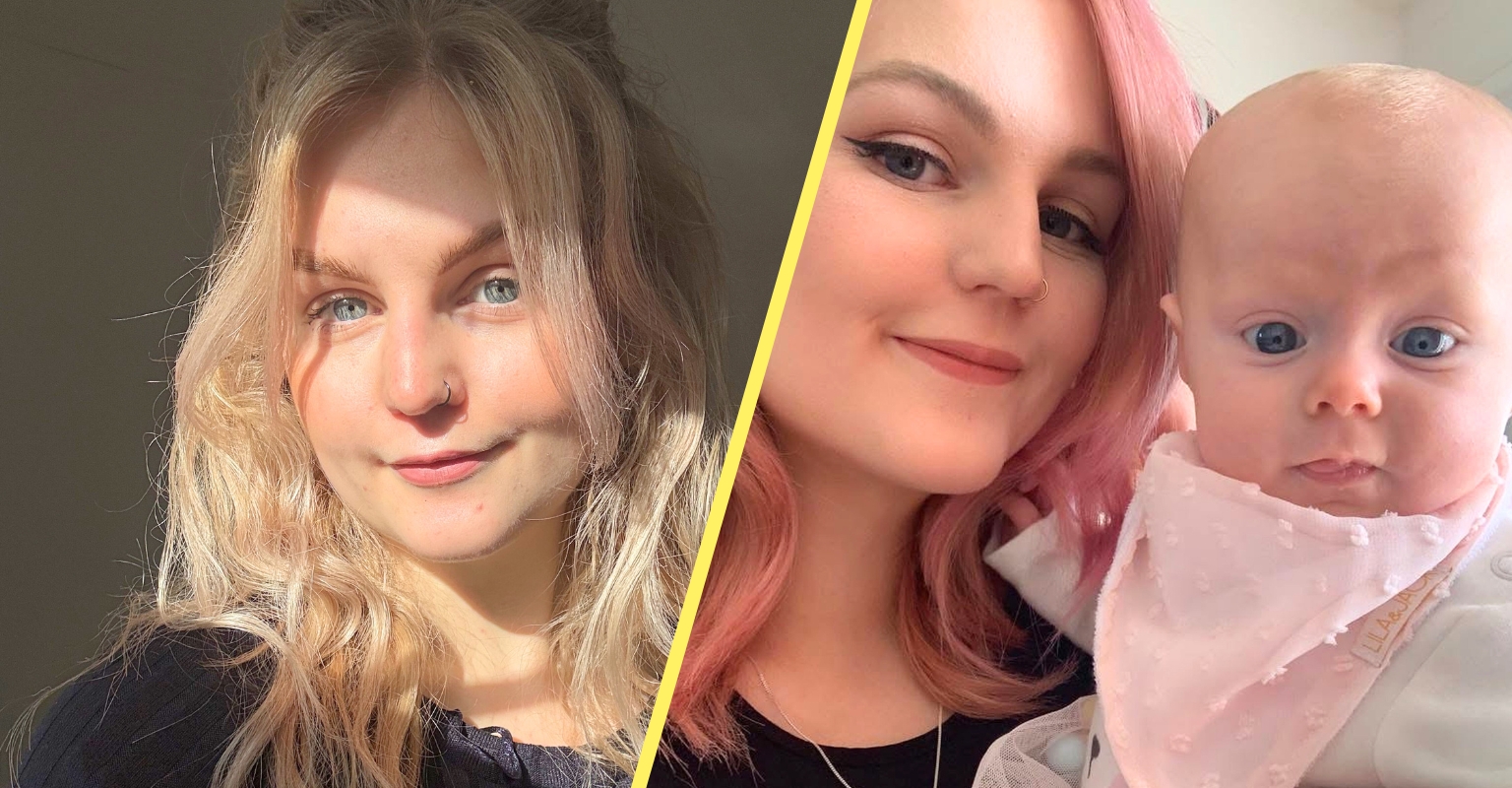
A 23-year-old paramedic has been left paralyzed after cracking her neck ruptured a major artery.
Natalie Kunicki, who works for the London Ambulance Service, is now warning others about the dangers of cracking joints.
The young medic had moved from Canberra, Australia, to London to begin her career in emergency services.
One night after a shift, she was watching movies in bed with a friend after going out.
She stretched her neck and heard a loud “crack.”
At first, she thought nothing of it and carried on.
But just 15 minutes later, everything changed.
The Shocking Moment Everything Went Wrong
When Natalie woke up, she couldn’t move her left leg.
She fell to the floor when she tried to walk.
Her friend initially thought she was joking, but something was very wrong.
After being rushed to hospital, doctors gave her a CT scan. It revealed she had suffered a stroke caused by a ruptured artery.
When she stretched her neck, the vertebral artery burst. This triggered a blood clot that moved into her brain.
The sudden blockage cut off blood flow and caused her stroke.
Natalie said she was left “emotionless” for days.
She explained that the shocking diagnosis took time to process.
“People need to know that even if you’re young, something this simple can cause a stroke,” she said.
She added: “Every minute, more of your brain cells are dying, so don’t ever discount a stroke just because someone is young.
“And people need to be more mindful when doing any chiropractic exercises or strenuous gym weights.”
‘I Thought I Had Been Drugged’
Opening up about the terrifying night, Natalie recalled: “I was in bed watching stuff with a friend when it happened.
“I stretched my neck, and I could just hear this ‘crack, crack, crack.’ My friend asked ‘Was that your neck?’ but all my joints crack quite a bit, so I didn’t think anything of it. I just laughed.”
She fell asleep but woke up 15 minutes later with terrifying symptoms.
“I wanted to go to the bathroom, but I could feel this leg on the bed, and I was asking my friend if he could move his leg.
“He told me it was my leg, but I was a bit tipsy, so I wasn’t taking anything seriously and just thought ‘That’s a bit weird.’”
Natalie tried to walk but collapsed.
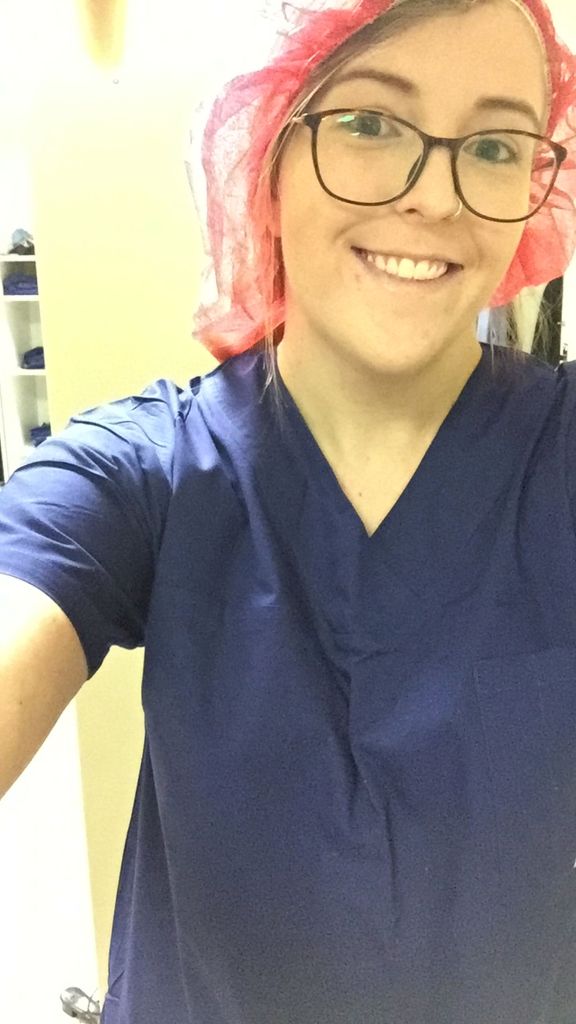
“I looked down and realized I wasn’t moving my left leg at all, then I fell to the floor.
“My friend had to come and pick me up. He thought I was drunk, but I knew something else was wrong. I thought I had been drugged. The date r*** drug can cause paralysis.”
Embarrassment Nearly Stopped Her From Calling 999
Despite being a paramedic herself, Natalie hesitated to call emergency services.
She didn’t want colleagues to see her “tipsy.”
“I was trying to call 999, but I was dithering about it,” she admitted.
“There was a high chance the crew who turned up would be my friends, and I didn’t want them to see me tipsy.
“I tried to go back to sleep, but I couldn’t, so I called 999, and I didn’t recognize the crew who turned up.
“I think they did look at me at first like they thought I was just a classic drunk 23-year-old, but I told them I was a paramedic and I knew something was wrong.”
Natalie explained that she doesn’t smoke, doesn’t drink heavily, and has no family history of strokes.
A Grueling Recovery Journey
Natalie was admitted to intensive care and stayed there for days.
“I was in shock for about three days in ICU,” she said.
“I was a bit of a wet blanket. I didn’t really say much, and I wasn’t engaging with anyone. I had no sense of humor.
“I was just completely shut off, trying to compute what had happened. People said I was a bit like a robot and didn’t show much emotion.”
Friends eventually helped her face reality.
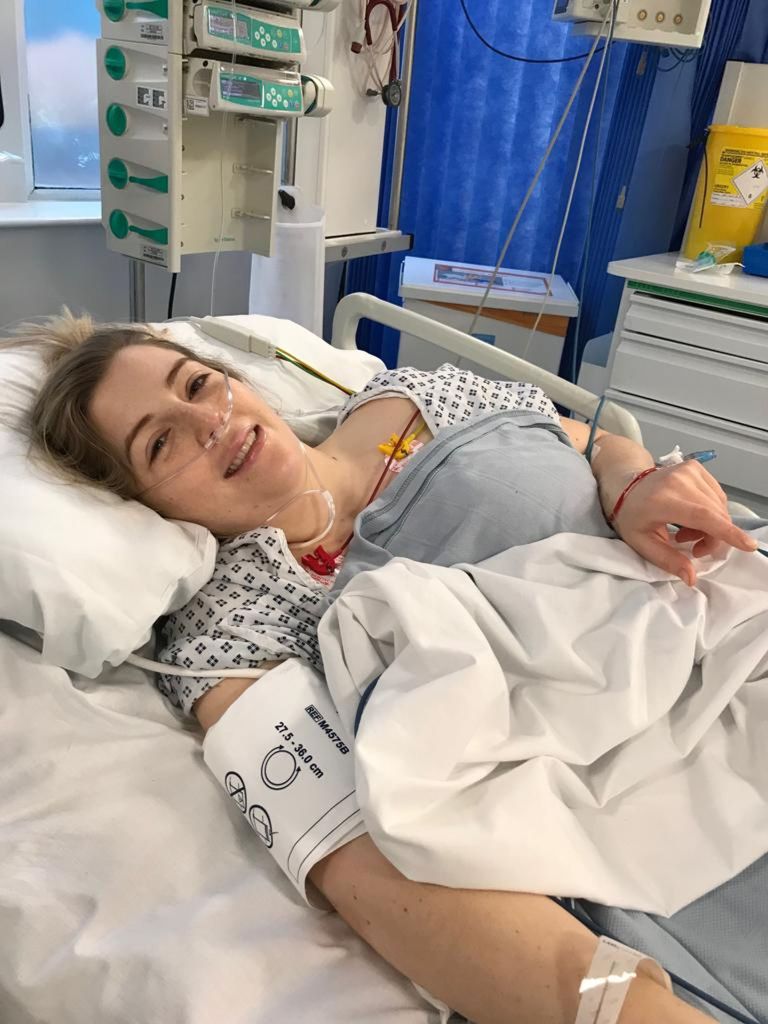
“A couple of my friends from the ambulance service told me, ‘You have a week from the day of your stroke to snap out of this or we will snap you out of it.’
“I was able to have my little pity party for a week, but that’s it.
“They told me, ‘What’s done is done now, just work and do all the exercises.’
“They were fantastic, and they would come in and do all the exercises with me.
“I think if I didn’t have them, I would have been in my pity party quite a bit longer, but instead I smashed through all the therapy goals.”
Three-Hour Surgery And Harsh Reality
Doctors discovered the ruptured artery during further scans.
She underwent a three-hour operation at the National Hospital for Neurology and Neurosurgery.
Surgeons repaired her artery with a stent.
But they couldn’t clear the clot in her brain.
Natalie admitted she expected everything to be fixed straight away.
“I expected to wake up from this miracle surgery and everything would be fixed, but my mobility was worse, and they couldn’t clear the clot,” she said.
She explained: “At the start, I couldn’t move my thumb and forefinger. I could kind of move my wrist up and down. I couldn’t lift my arm.
“I could bend my left leg, but I couldn’t wiggle my toes.
“The doctors would do tests, I had to close my eyes, and they would touch my left side, but I couldn’t tell where they were touching.
“It was like when you have really bad sunburn and your skin is sizzling. I felt that all down my left side.”
She added that she scared her consultant at one point.
“I think I scared my consultant because after I woke up, she came in to ask how I was going, but I told her, ‘You should have killed me.’”
Living With Stroke As A Young Adult
Natalie admitted depression soon followed.
“Depression is really common after a stroke because you lose so much of your independence and your dignity,” she explained.
“I had to have a nurse help me shower in a wheelchair. What 23-year-old needs someone to help them shower and wash their hair? It was just a bit surreal.”
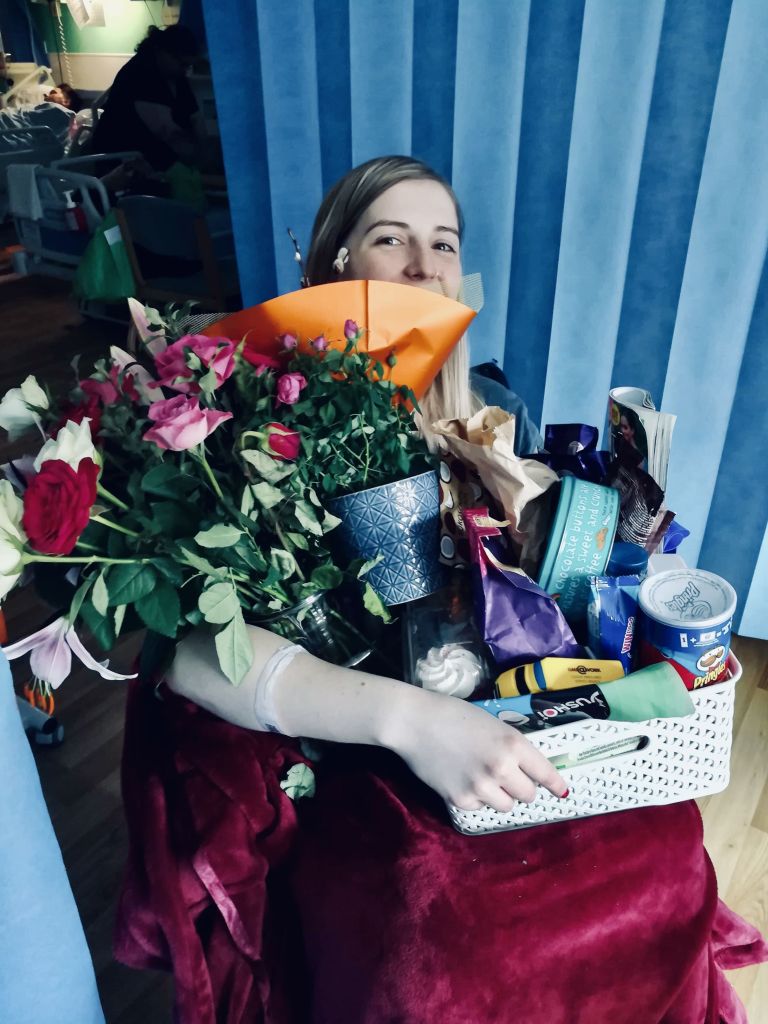
Over time, Natalie recovered some movement and sensation.
Her determination, combined with support from friends, helped her push through.
She said she now feels “much better” and is determined to raise awareness.
She admitted she was shocked by how common strokes in young people actually are.
“I have been called out to so many people having strokes, and they’re always in their 70s or 80s. I have never been to a young person having a stroke.
“Mine was one in a million, but a ruptured vertebral artery is actually quite a common cause of strokes in young people.
“They will be in the gym or doing something quite physical, and it happens. Strokes are also quite common in kids.
“It was a shock for me. I thought as a professional I would have an idea, but even I didn’t know.
“Normally, if you’re called out to a young person, you wouldn’t do a test for a stroke.
“I’m lucky that I’m a paramedic, and when I told the crew I knew something was wrong, they listened.
“But there was a chance that they could have not taken me seriously, so it’s really important for me to raise awareness that this can happen.”
Medical Experts Weigh In
Medical News Today describes strokes as “a potentially debilitating medical condition that occurs when there is a blocked blood vessel in the brain or it bursts, hindering blood flow to the brain and leading to brain cell death.”
They add that strokes are more common in older adults, but younger people are not immune.
The Centers for Disease Control and Prevention (CDC) reports that one in seven strokes occurs in people aged 15–49.
That means thousands of young people each year experience a medical emergency many associate with old age.
Natalie’s story highlights the hidden risks of something as simple as cracking your neck.
Her warning is clear: no one is too young to take stroke symptoms seriously.
Featured image credit: Kennedy News and Media