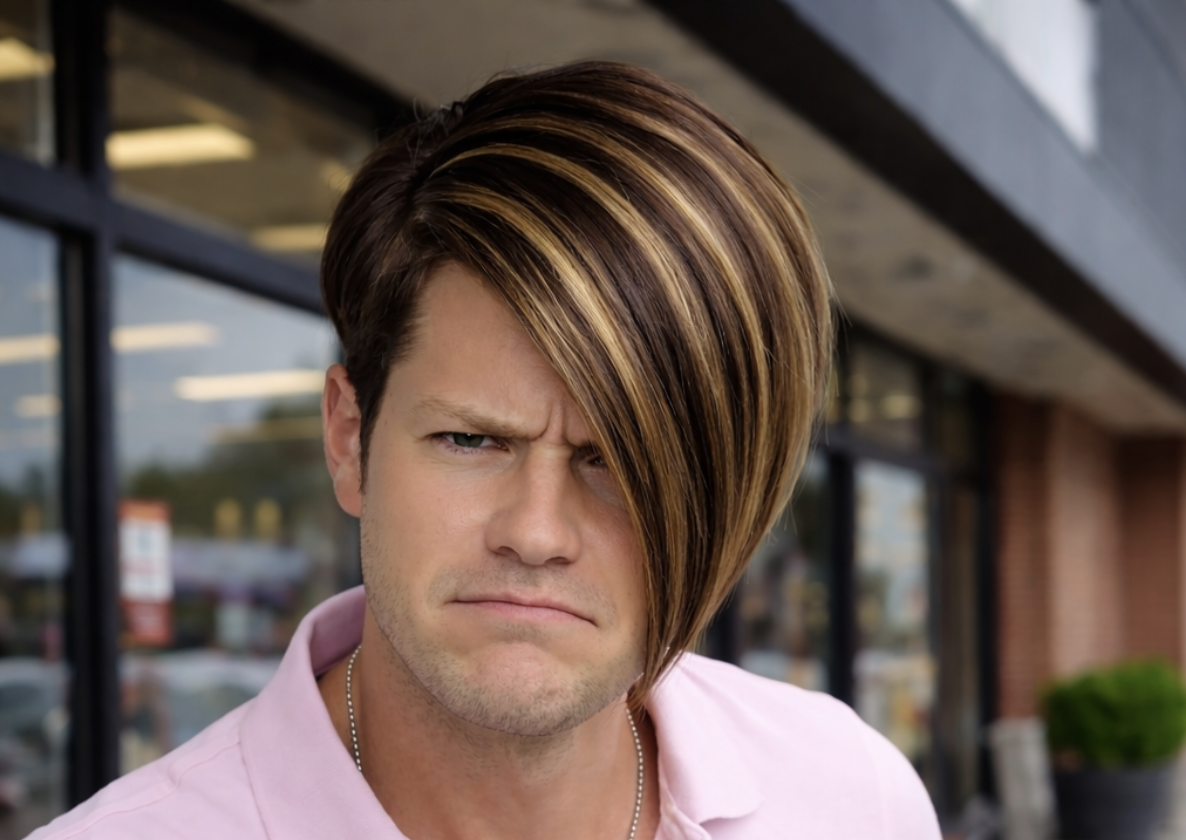
The search for a male version of the term “Karen” has sparked fresh debate online. Many people have reacted strongly to the idea of attaching another common name to negative behaviour.
The word “Karen” rose to prominence in 2020 during the COVID 19 pandemic and protests following the death of George Floyd. Its influence became so strong that The Guardian called 2020 “the year of Karen.”
The term usually refers to a middle class woman seen as entitled or overly demanding. Online memes often show white women using perceived racial or social privilege to get their way.
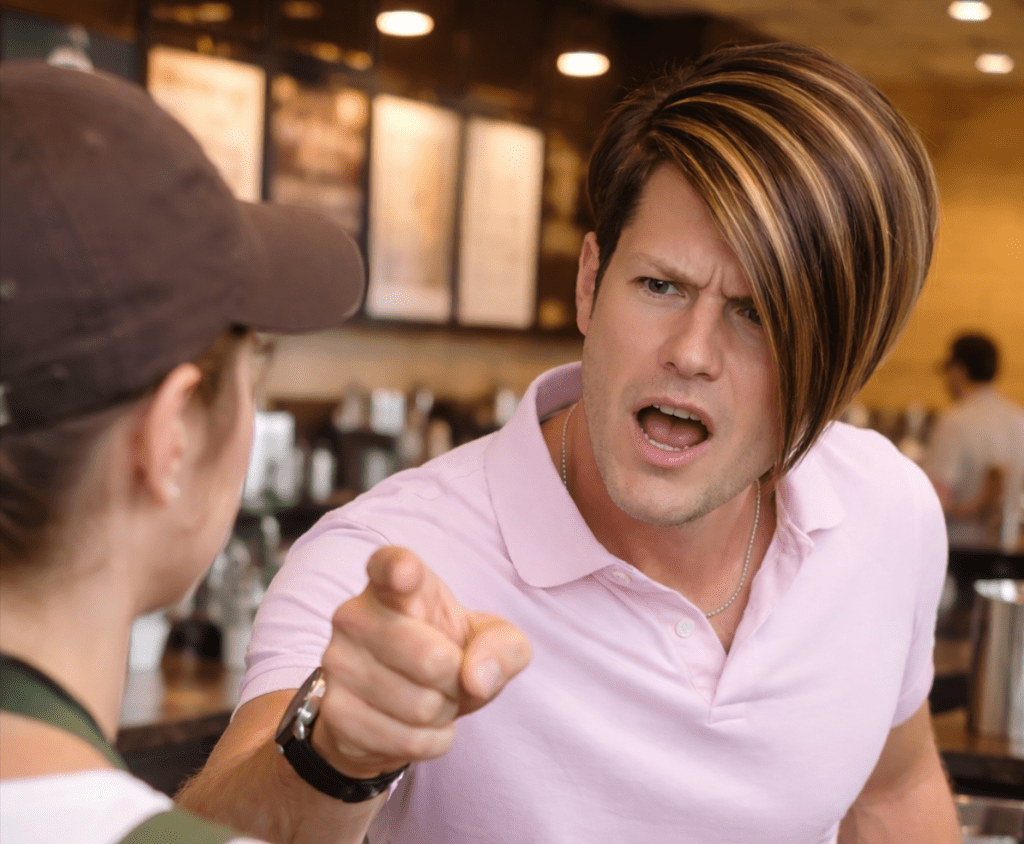
The stereotype includes actions such as demanding to speak to a manager or behaving in a racist way. The term gained wider use after the Central Park birdwatching incident in 2020.
In that case, a woman called police during a dispute over an unleashed dog. Afterward, the name Karen shifted from a given name to a cultural label.
Critics question the impact of the term
Many writers and commentators say the label has gone too far. They argue it has become sexist, ageist, and classist.
Hadley Freeman, a columnist for The Guardian, said the term had turned into a way to tell women to stay quiet. She described it as “sexist, ageist, and classist.”
Author Jennifer Weiner wrote in The New York Times that fear of being called a Karen made her hesitate to speak up. She said she worried about complaining when someone coughed and spat in public.
British journalist Julie Bindel also criticised the term. She asked whether the slur reflected hatred toward women and class prejudice.
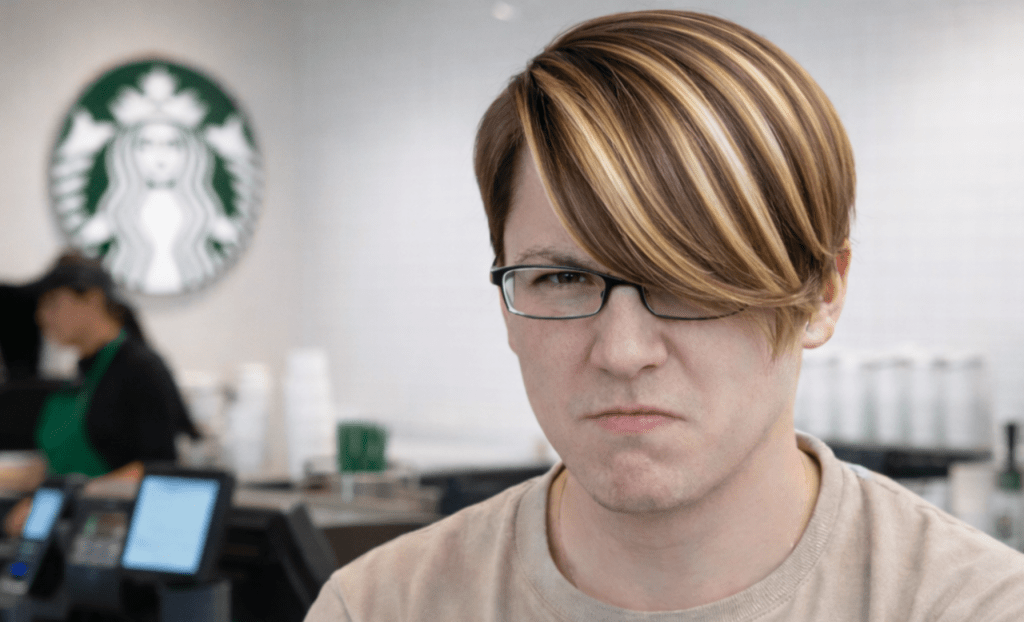
Kaitlyn Tiffany of The Atlantic questioned whether Karen now meant any woman who annoyed people. She asked what the male version of the label should be.
Real people named Karen face consequences
Women named Karen say the meme has affected their lives. Many report bullying and say others dismiss their opinions.
A recent study found the abuse harmed mental health. About 23 percent of participants said people had verbally threatened them.
Seven percent said others physically assaulted them after learning their name. The stigma has also affected naming trends.
According to the baby name site NameKun, Karen ranks among the fastest declining names. The name fell to 4,844th place last year.
Only four babies received the name in the United States. Karen once ranked as the most popular name in the 1960s and 1970s.
Gen Z proposes new labels
Gen Z users have started suggesting new labels for millennial “Karens.” One TikTok video discussing the idea gained more than 40,000 likes.

The creator said millennials wanted to choose a name for their generation’s version of Karen. She said Gen Z would decide its own labels.
She listed names such as Ashley, Brittany, Heather, Amber, Tiffany, Jessica, Nicole, Becky, and Kelsey. Commenters soon focused on one name.
Many in the comment section supported the name Jessica. The suggestion quickly became the leading option.
Data points to men as frequent complainers
Separate research suggests women may face unfair blame. In 2023, Pedestrian reported on Trustpilot data about online complaints.
The platform found that the name David appeared most often in one star reviews. Most frequent complainers were men.
Only one traditionally female name, Sarah, appeared in the top ten. Emma did not appear until number fourteen.
The idea of using David as a male Karen drew backlash. Parents and partners said the name should not carry negative meaning.
One commenter said their son named David should not face stereotypes. Another said her husband named Dave did not fit the label.
A third person said people should simply call bad behaviour what it is. They said labels should not rely on given names.
Trustpilot data also showed that men leave more one star reviews than women. The name John topped the list of US complainers.
Since 2007, people named John have posted 8,648 one star reviews on the platform. David, Michael, Chris, and James followed closely.
Lisa ranked as the highest female name at number eleven. In the Beauty and Wellbeing category, Lisa left the most negative reviews.
The findings suggest men complain more often in many sectors. Those include Electronics, Money and Insurance, and Shopping and Fashion.