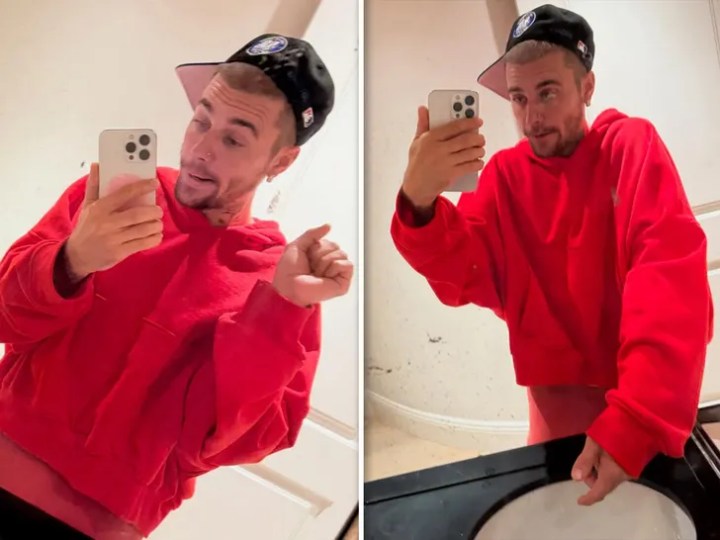
Justin Bieber has found himself at the center of an intense online debate after posting a family-oriented Instagram message in the days following the assassination of conservative activist Charlie Kirk.
The 30-year-old Canadian singer uploaded an image on September 14 showing a framed list of “family values” that he and his wife Hailey display in their home.
The post, intended to showcase a devotional and domestic message, included affirmations such as “We value HUMAN beings and believe in their dignity and eternal worth.”
But what seemed like a simple, personal post quickly became a flashpoint. Because Bieber made no mention of Kirk — who had been killed just four days earlier while speaking at Utah Valley University — commenters flooded his feed with demands that he address the tragedy.

Fan Demands and Pushback
Entertainment outlet Tyla first highlighted the heated exchanges beneath the post. Some fans accused Bieber of ignoring Kirk’s death and urged him to say the activist’s name publicly.
One user wrote: “Mention the assassination of Charlie Kirk who left behind a beautiful wife Erika … and a son who is 1.” Another posted in all caps: “SAY HIS BEAUTIFUL NAME!!!!!! CHARLIE KIRK!!!!!!!!!! OUR BROTHER IN CHRIST!!!!!!!!!!!!”
For critics, Bieber’s silence appeared inconsistent with his past public expressions of faith and his willingness to speak on certain social issues. “Selective empathy,” one commenter charged, suggesting that his Christian identity demanded he offer prayers for Kirk and his family.
Yet many others pushed back, questioning why Bieber should be expected to comment at all. One widely shared response captured the sentiment: “Why are there people on Instagram going through psychosis begging Justin Bieber to talk about Charlie Kirk?” Another added: “Justin Bieber is Canadian — why does he have to speak on an American political figure?”
Supporters also pointed out that the post itself was not political, but devotional. The image focused on personal household values, not public events, and some fans argued that turning it into a demand for political commentary was unfair.
Media Amplification
Yahoo Entertainment and other outlets picked up the story, framing the reaction as part of a wider wave of scrutiny over how celebrities have responded — or not responded — to Kirk’s killing.
Their coverage emphasized how Bieber’s silence was being contrasted with public condolences from actors, musicians, and political figures who did speak out.
The framing reinforced a larger trend: that celebrities’ online activity, even when unrelated to politics, is increasingly interpreted through the lens of current events.
In Bieber’s case, a neutral, domestic post was seized upon as evidence of either indifference or restraint, depending on the perspective of the reader.
As of Monday, Bieber had not posted any statement about Kirk on his Instagram feed or through his representatives. There has been no indication from his label or management that he intends to do so, and the backlash has remained confined to social media rather than prompting industry-level consequences.
A Familiar Pattern
Observers noted that Bieber is hardly the first entertainer to have personal posts repurposed as stages for political debate. In recent years, stars from Taylor Swift to LeBron James have faced similar pressure to speak out during moments of national crisis, often finding themselves criticized whether they act or stay silent.
Bieber’s own history complicates the reaction. Over the years, he has spoken candidly about religion, sobriety, and mental health, occasionally weighing in on broader cultural issues. This track record meant that many fans expected him to offer at least a word of prayer for Kirk and his family.
But the singer has also gone through long stretches of disengagement from public affairs, preferring to keep his social channels focused on family, faith, and music. That tension between his past openness and current silence fueled the debate beneath his September 14 post.
Context: The Kirk Assassination
The online dispute unfolded against the backdrop of a major criminal investigation.
Charlie Kirk, 31, co-founder of Turning Point USA and a prominent conservative commentator, was shot and killed on September 10 while addressing a crowd of more than 3,000 students at Utah Valley University in Orem, Utah.
Police say the fatal shot came from an elevated rooftop overlooking the event space, sparking panic among attendees.
Authorities arrested 22-year-old Utah resident Tyler Robinson two days later after relatives identified him from images released by law enforcement.
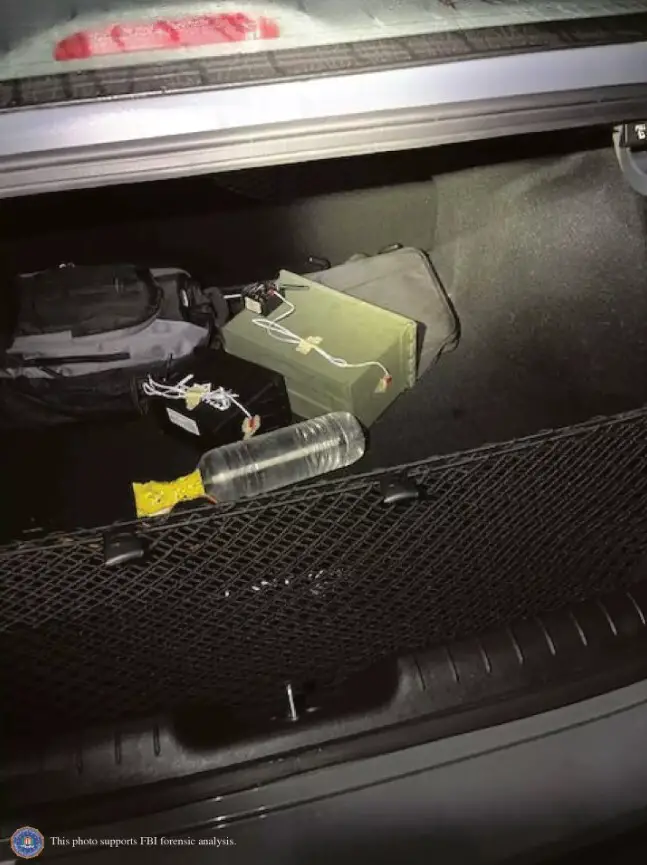
According to investigators, forensic evidence has tied Robinson to the rifle allegedly used in the shooting, including DNA recovered from a towel wrapped around the weapon. They also cite a text message and a now-destroyed written note in which Robinson allegedly expressed intent to kill Kirk.
The FBI and state prosecutors are preparing formal charges, and Robinson is expected to make his first court appearance via video from jail.
Broader Implications
The Bieber controversy highlights a recurring dilemma for celebrities with massive social platforms: when tragedy strikes, are they obligated to say something?
For some, silence is read as complicity or apathy — especially when the figure involved is polarizing, as Kirk was. For others, silence is a reasonable boundary, a refusal to politicize personal or devotional content.
That division played out in real time beneath Bieber’s family-values post, with one side demanding public prayer and the other side insisting that faith does not require performative statements online.
It also reflects the way in which celebrity platforms now function almost as public squares, with fans and critics alike projecting expectations onto posts that may have little to do with unfolding events.
What Comes Next
For now, Bieber has chosen not to weigh in. His Instagram remains focused on family and faith, and there is no sign that he plans to address Kirk’s assassination publicly.
The debate, however, is unlikely to fade quickly. Screenshots of the exchanges beneath his post have already spread widely across celebrity-news sites and fan accounts, ensuring the argument will persist well beyond the original upload.
Meanwhile, the investigation into Kirk’s killing continues, with prosecutors expected to file charges in the coming days. As those developments unfold, the online scrutiny of celebrity reactions — including Bieber’s silence — remains a parallel strand of the story, underscoring how political violence reverberates far beyond the courtroom and crime scene.
In that separation lies the core of the controversy: what do fans believe entertainers owe the public when tragedy strikes, and what can entertainers reasonably choose to withhold? For Justin Bieber, the answer so far has been silence — and a single post about family values that has become a lightning rod for a much larger cultural argument.
Featured image: Justin Bieber/Instagram