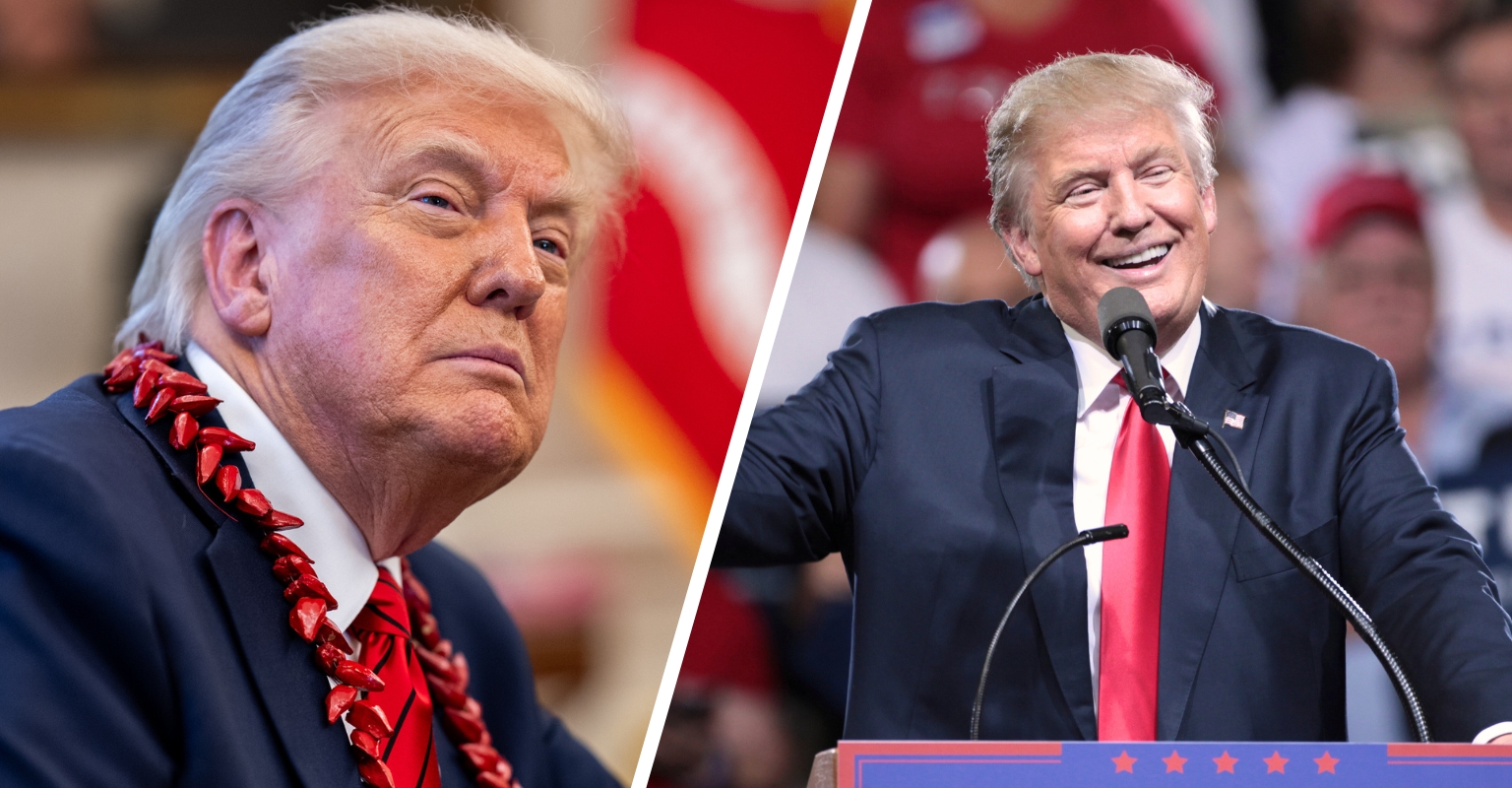
Questions about the possible removal of Donald Trump have resurfaced as his second term continues.
The 79-year-old president and his administration face growing criticism over immigration enforcement, foreign policy decisions, and trade measures. Some Democrats argue extraordinary constitutional steps may be necessary.
The focus has turned to the 25th Amendment, which outlines procedures for transferring presidential power. Critics say Trump’s recent actions raise concerns about judgment and stability.
Supporters counter that such measures are inappropriate and politically motivated. The debate has intensified amid a series of international and domestic controversies.
Greenland proposal and diplomatic fallout
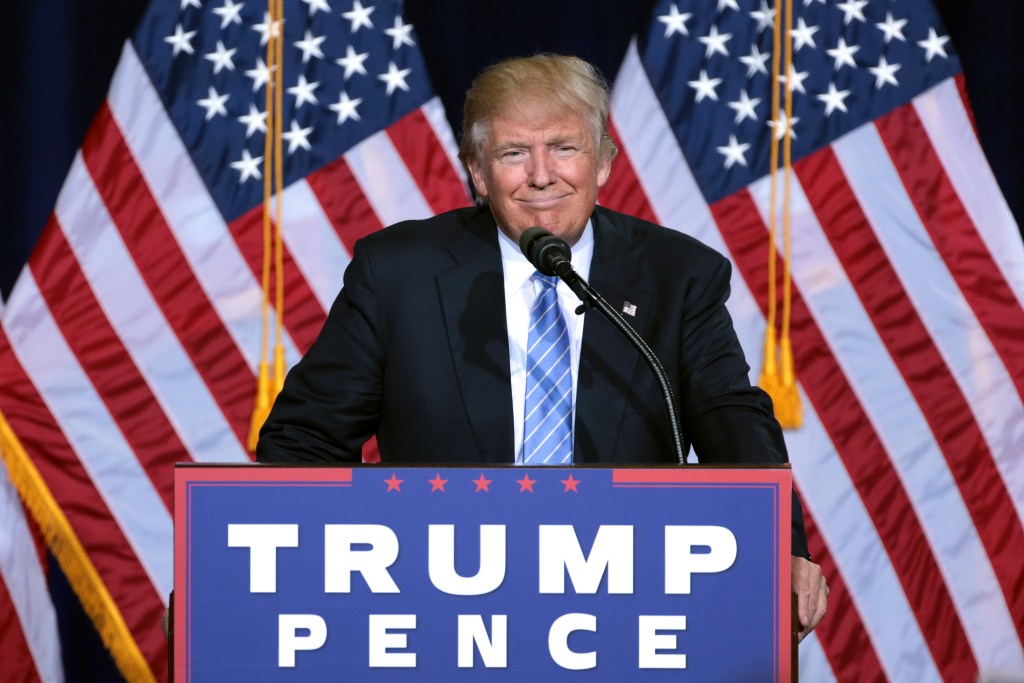
During the first year of his second term, Trump repeatedly suggested the United States should own Greenland. Greenland is part of the Kingdom of Denmark, a NATO ally of the United States. Trump argued that the island’s location was vital for national security.
He cited concerns about China and Russia as reasons for American control of the territory. European leaders reacted strongly against the idea. Several warned that annexation, especially by force, would severely damage transatlantic relations.
Trump and members of his administration hinted that military options were possible. Following criticism from NATO partners, Trump threatened trade tariffs on several allied countries. He proposed a 10 percent tariff initially, rising to 25 percent by June.
Those tariffs were tied to what Trump described as a “complete and total purchase of Greenland.” The threats caused further concern among allies and lawmakers. Many viewed the approach as destabilizing and counterproductive.
More recently, the administration appeared to retreat from the proposal. Reports indicated a framework agreement was discussed at the World Economic Forum in Davos.
The deal reportedly focuses on expanded American military access rather than territorial ownership.
Foreign policy rhetoric and regional tensions
Concerns have also grown following US actions in Latin America. After the capture of Venezuelan President Nicolás Maduro in a military operation on January 3, Trump issued warnings to neighboring countries. He criticized the governments of Mexico and Colombia over alleged narco-trafficking ties.
Trump suggested similar military action could occur elsewhere in the region. The remarks prompted strong backlash from Democrats and some Republicans. Many voters expressed fears of prolonged conflicts and increased military involvement abroad.
Critics argued that the rhetoric risked destabilizing diplomatic relations across Latin America. Others questioned whether such threats reflected sound foreign policy planning. The administration defended its stance as necessary for regional security.
Calls from Democrats to invoke the 25th Amendment
Domestic tensions have further fueled debate over presidential fitness.
Several Democrats cited Trump’s behavior and recent immigration enforcement incidents as evidence of unfitness. The deaths of two US citizens in Minneapolis during ICE operations intensified scrutiny.
The administration labeled protesters and Minnesota mother Renee Good as domestic terrorists after she was killed by an ICE agent. The Department of Homeland Security also claimed nurse Alex Pretti intended to attack border agents. Video evidence later showed Pretti was not holding his weapon when shot.
These incidents prompted calls for investigations from both parties. Several Republican lawmakers supported inquiries into ICE conduct. Pressure mounted on the administration’s immigration strategy and public messaging.

Trump’s harsh rhetoric on immigration and foreign affairs has led some Democrats to propose invoking the 25th Amendment. They argue that his conduct shows impaired judgment. They say constitutional safeguards exist for such circumstances.
California Representative Maxine Waters publicly supported using the amendment. She warned that Trump’s efforts to influence the Federal Reserve were dangerous. Waters described the actions as resembling authoritarian control of the economy.
Senator Ed Markey echoed those concerns. He posted “Invoke the 25th Amendment” on X in response to the Greenland controversy. His statement drew widespread attention and criticism.
How the 25th Amendment works
The 25th Amendment was introduced after the assassination of John F. Kennedy in 1963. Section 4 addresses situations where a president is unable to discharge official duties. It allows for a temporary transfer of power to the vice president.
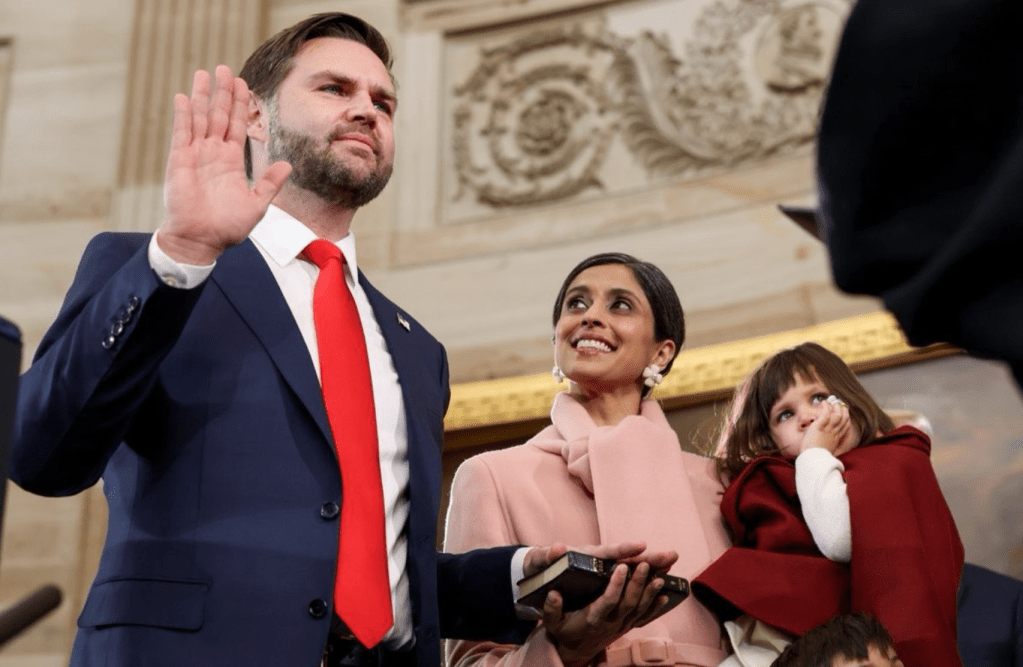
In Trump’s case, that would mean JD Vance assuming presidential authority. The process is complex and politically difficult. It requires both executive and legislative action.
First, the vice president and a majority of the 15-member cabinet must declare the president unfit. That declaration is sent to Congress. The president can contest the claim and attempt to reclaim authority.
If Trump objected, Congress would then decide the issue. A two-thirds vote in both the House of Representatives and the Senate would be required. Only then would the transfer of power become permanent.
The provision has never been used to remove a sitting president. Previous uses of the amendment involved temporary transfers for medical procedures. Legal scholars note the high threshold makes removal unlikely.
Likelihood of removal and political reality
Despite calls from some Democrats, most analysts believe invocation is improbable. Trump retains strong support within his cabinet and the Republican Party. His MAGA base remains loyal and influential.
Trump recently wrote to Norwegian Prime Minister Jonas Gahr Støre expressing frustration over the Nobel Peace Prize. He claimed he was “no longer thinking purely of peace.” The comments drew renewed criticism but no bipartisan action.
While debate over the 25th Amendment continues, the constitutional and political barriers remain substantial.
For now, the discussion reflects broader divisions rather than an imminent transfer of power.
Featured image credit: The White House & Gage Skidmore