A Second World War film described as containing a “sickening 25-minute sequence from hell” has become the highest-rated narrative feature film of all time.
The film has been widely praised by critics and audiences for its uncompromising depiction of war and its devastating emotional impact. Viewers frequently describe it as difficult to watch but essential viewing.
On social media, many have shared strong reactions to the film’s harrowing content. One viewer described it as horrifying, accurate, and devastating in every sense.
Another wrote that the film is not enjoyable but is necessary. A third called it one of the most disturbing films they had ever seen, adding that it would stay with them for a long time.
The film has now topped Letterboxd’s rankings for narrative feature films. Users on the platform voted it above all others, placing it at number one overall.

Letterboxd later confirmed the milestone in a statement shared on Facebook. The platform noted that the film had overtaken previous chart-toppers.
Origins and historical context
The Soviet anti-war film is based primarily on the 1971 novel Khatyn by Ales Adamovich. It also draws from the 1977 collection of survivor testimonies titled I Am from the Fiery Village.
The story focuses on the German occupation of Belarus during the Second World War.
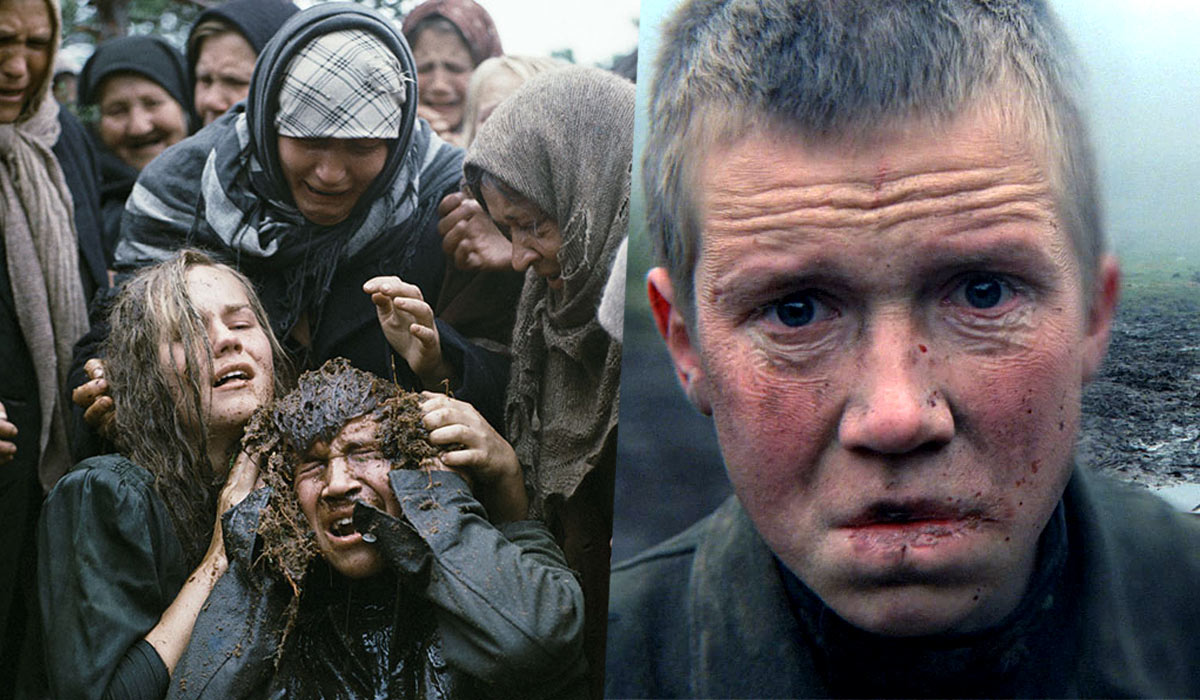
Directed by Elem Klimov, the film reflects events witnessed through the eyes of a teenage boy named Flyora.
The character is played by Aleksei Kravchenko, who was only a child during production. Klimov reportedly drew on his own childhood memories of the war while shaping the film.
The movie was filmed chronologically to emphasise Flyora’s psychological transformation. The character begins as a carefree boy and gradually becomes traumatised by the atrocities he witnesses.
The approach was intended to mirror the emotional and physical toll of war on civilians.

The infamous sequence and its impact
One of the film’s most discussed moments is a 25-minute sequence often described as one of the most disturbing depictions of wartime violence.
During the scene, Flyora is captured by German soldiers and forced to watch as an entire village is burned alive inside a church.
Collider later described the sequence as one of the most sickening portrayals of war ever filmed.
Kravchenko has said he was treated as an adult throughout production. He explained that he was expected to work extremely hard on set and fully commit to the role.
The actor later revealed that hypnosis was attempted to help him cope with the intense scenes. According to IMDb, he was not susceptible and had to pretend the process worked.
The director also reportedly showed the young actor footage of concentration camps to establish the film’s tone.
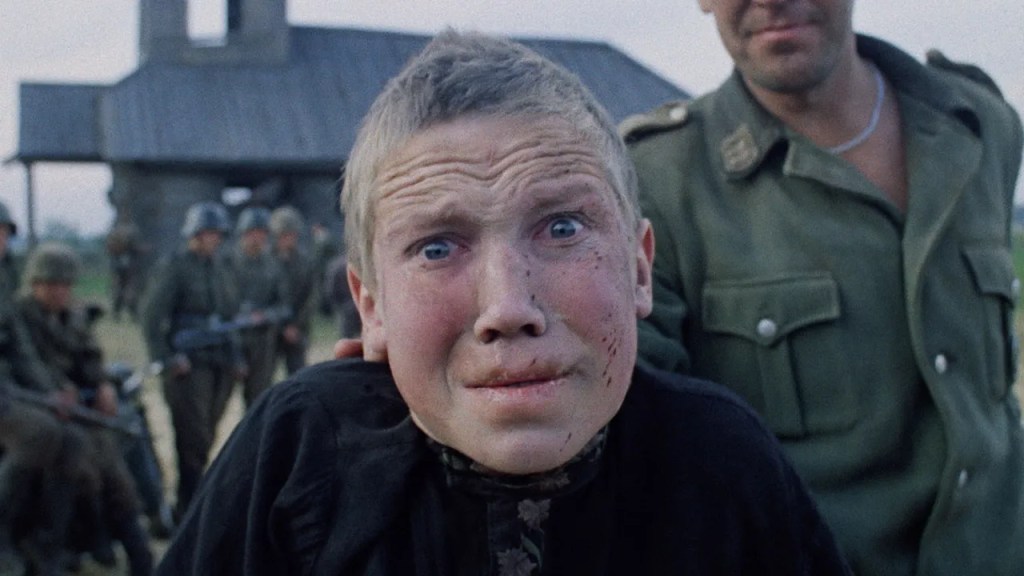
Kravchenko said he was instructed to lose weight to appear less healthy. He followed a strict routine involving limited food intake and hours of daily jogging.
Legacy and recognition
The film, titled Come and See, holds a Rotten Tomatoes audience score of 96 percent. It has also ranked highly in Sight and Sound’s Directors’ Poll of the Greatest Films of All Time.
Critics frequently cite its realism and emotional power as reasons for its lasting influence.
In its announcement, Letterboxd confirmed the film’s new status at the top of its rankings.
The platform stated that Come and See became the fourth film to ever hold the top position.
Previous films to reach the spot included The Godfather, Parasite, and Everything Everywhere All at Once.
Watch the trailer for Come and See below…
Featured image credit: Sovexportfilm