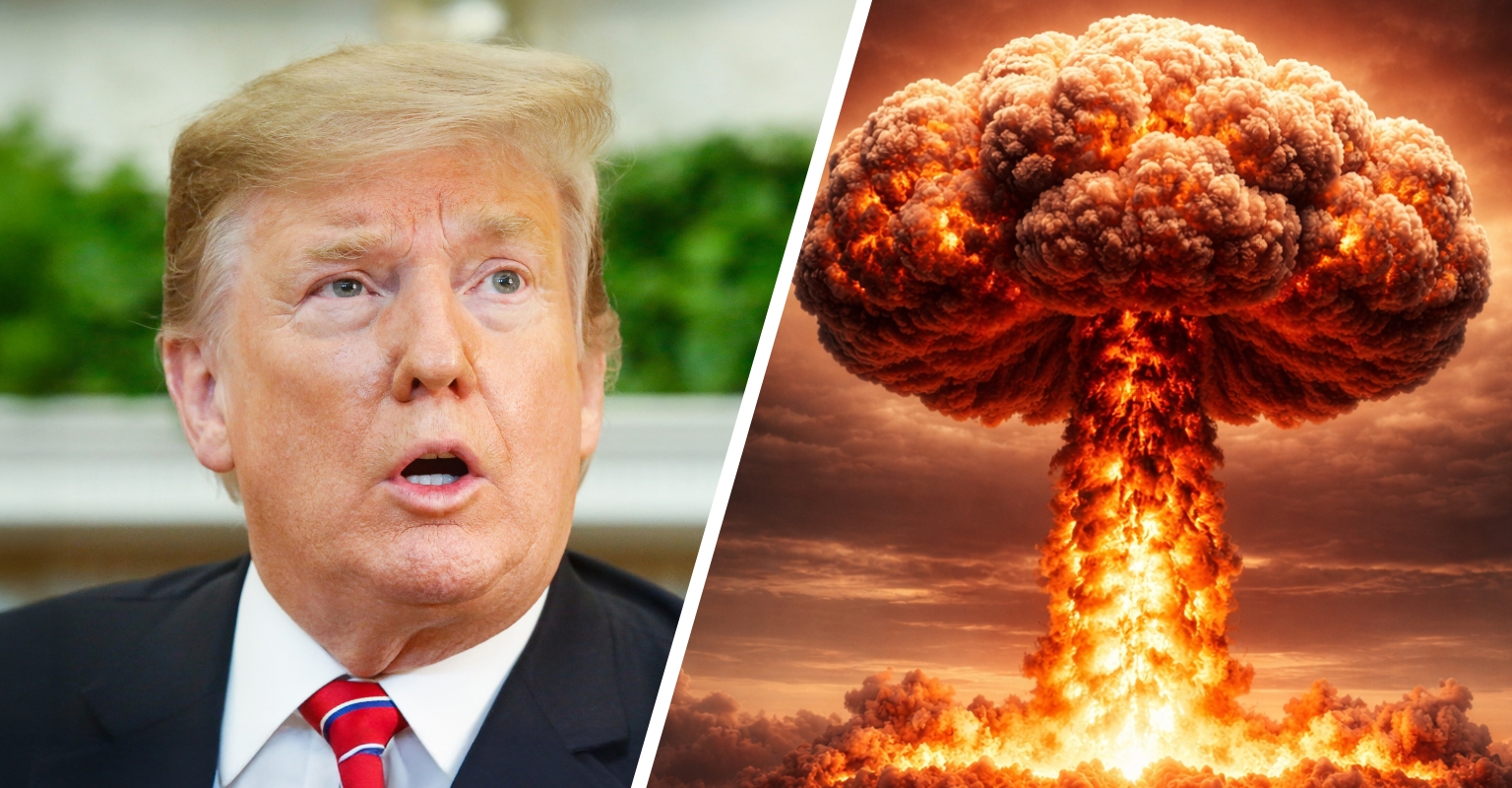
Talk of World War III has intensified in recent years as international tensions continue to rise.
Conflicts, political disputes, and military threats have contributed to growing public anxiety. Many people now believe a global conflict is no longer a distant scenario. Questions about where the dangers would be greatest have drawn increased attention.
Tensions have escalated following Russia’s invasion of Ukraine and Israel’s bombardment of Gaza. Iran’s violent crackdown on protests has also alarmed the international community.
Donald Trump’s threats involving Greenland and potential overseas military action have further unsettled observers. Together, these developments have heightened fears of a broader global conflict.
Iran has also issued public assassination threats toward Donald Trump. These threats were linked to possible US intervention in Iran’s internal affairs.
Tens of thousands of protesters have reportedly been killed during unrest in the country. This has intensified concerns about further escalation.
Against this backdrop, analysis has focused on which locations would face the greatest danger if World War III erupted. Recent reporting has highlighted several high-risk regions.
The assessment considers military strength, symbolic value, and existing conflicts. Public reaction has been shaped by both polling data and current events.
Public belief that World War III is approaching
Many people across Europe and the United States believe another world war is likely. Surveys indicate rising expectations of a major global conflict within the next decade.
These fears appear consistent across multiple countries. Confidence in long-term global stability has declined sharply.
According to YouGov data, between 41 and 55 percent of people in Britain, France, Germany, Italy, and Spain expect a world war within five to ten years.
The same survey found that 45 percent of Americans share that belief. These figures suggest widespread concern on both sides of the Atlantic.
Respondents cited ongoing wars and deteriorating diplomatic relations as key factors. Many expressed fears that regional conflicts could rapidly expand.
The results reflect a sense that global tensions are approaching a breaking point. Public trust in diplomatic solutions appears to be weakening.

Expectations of nuclear warfare
World War III is widely expected to be catastrophic in scale. Many believe it would surpass all previous conflicts in destruction and loss of life.
The presence of large nuclear arsenals has strongly shaped these fears. Public opinion reflects expectations of unprecedented devastation.
YouGov polling showed that between 68 and 76 percent of people in Europe and the United States expect nuclear weapons to be used.
Respondents believe nuclear arms would play a central role in any global conflict. This expectation has heightened fears of mass casualties. The destructive potential of such weapons dominates public concern.
Between 57 and 73 percent of those surveyed believe World War III would be the deadliest conflict in history. A further 25 to 44 percent believe it could eradicate most of the world’s population.
These figures underscore the scale of anxiety surrounding nuclear escalation. The data highlights how dire public expectations have become.
Low confidence in European military preparedness
Public confidence in European military readiness remains low. Many citizens doubt their armed forces could defend them effectively.
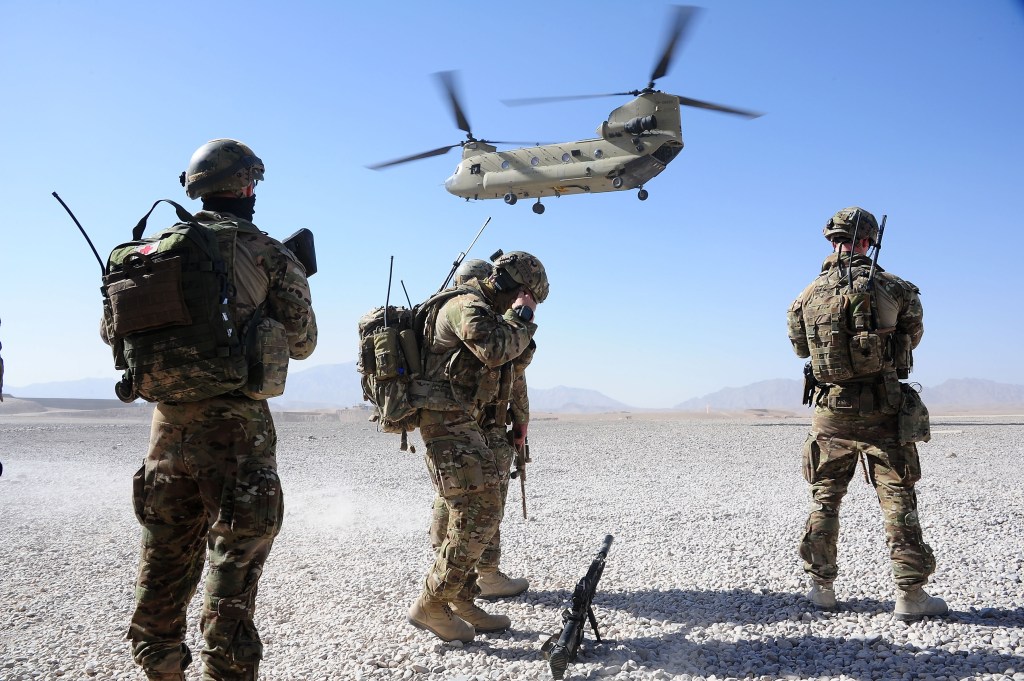
This sentiment is consistent across several major countries. The overall mood across Europe has been described as pessimistic.
YouGov found that majorities in Britain, France, Germany, Spain, and Italy lack confidence in their militaries. Only 16 percent of Italians believe their forces could adequately defend the country.
In France, 44 percent expressed confidence in military preparedness. These figures suggest uneven trust in national defense.
Americans expressed much higher confidence by comparison. Seventy-one percent of US respondents believe their military is well prepared.
This contrast highlights differing public perceptions of military capability. The divide reflects broader attitudes toward global power and defense spending.
Perceived sources of global threat
Russia is widely viewed as the greatest threat in a potential world war. Roughly three quarters of YouGov respondents identified Russia as the main danger.
Views were closely aligned between Western Europeans and Americans. Vladimir Putin’s actions have heavily influenced these perceptions.
Many Europeans also see the United States as a potential destabilizing force. This view is linked to Donald Trump’s rhetoric and foreign policy positions.
His threats toward Greenland, Canada, and Panama have raised concern. Actions involving Mexico, Colombia, Venezuela, and relations with Russia have added to unease.
More than half of respondents in Spain, France, and Germany believe a breakdown in relations between America and Europe could trigger World War III.
These views reflect anxiety about alliance stability. Public concern now extends beyond traditional adversaries.
Where are the most dangerous locations to be if WW3 breaks out?
If World War III were to break out, some regions would face immediate and severe danger. An analysis by The Express identified locations most likely to be targeted.
The assessment focused on military importance and symbolic value. Several Western and Middle Eastern areas were highlighted.
The United States would almost certainly be heavily involved in a global conflict. Major US cities are considered likely targets.
New York, Los Angeles, Chicago, Houston, San Francisco, Seattle, and Washington D.C. were identified as high-risk locations. These cities hold economic, political, and symbolic significance.
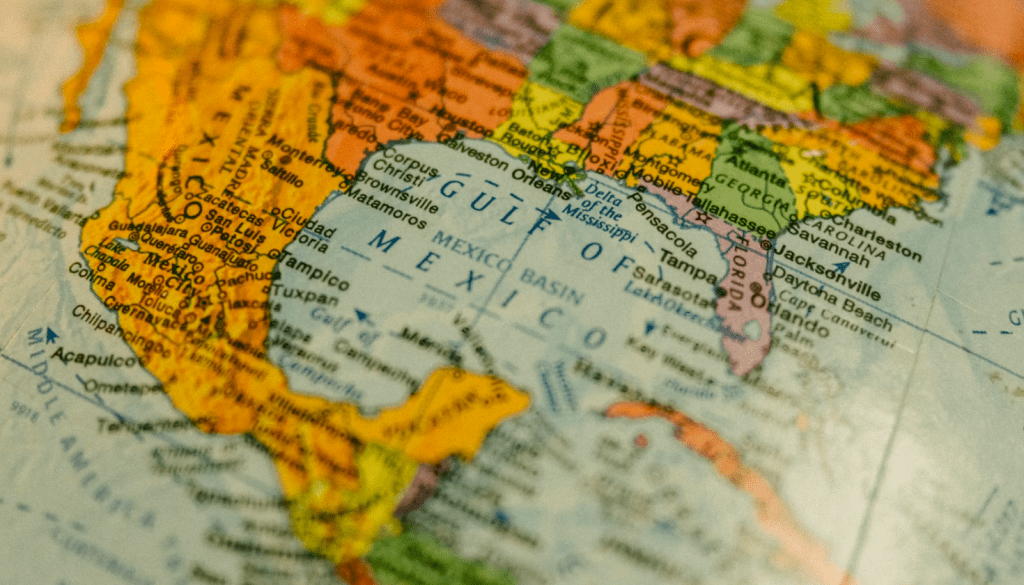
Key military installations were also cited as vulnerable. Kirtland Air Force Base in Albuquerque was highlighted due to its nuclear arsenal. Colorado Springs was noted as the location of NORAD. Such sites would be strategically valuable targets in a global war.
Israel and the wider Middle East remain highly volatile. Israel’s ongoing conflict with Palestine has drawn widespread condemnation.
Military actions against neighboring Lebanon have further escalated tensions. Instability across the region has continued to intensify.
Iran’s missile attacks on Israel have worsened the situation. Iran is also facing widespread internal unrest. Thousands of anti-government protesters have reportedly been killed by the regime.
These factors contribute to Iran being viewed as extremely dangerous.

Iran has also been in repeated conflict with the United States. US forces have reportedly carried out bombings in Iran. These actions followed allegations of Iranian nuclear weapons development.
Supreme Leader Ayatollah Ali Khamenei has ruled for more than 35 years amid growing opposition.
Eastern Europe and East Asia flashpoints
Russia is regarded as one of the most volatile locations globally. Vladimir Putin’s invasion of Ukraine in 2022 has resulted in massive casualties.
Both soldiers and civilians have been killed in large numbers. The conflict remains among the deadliest in modern Europe.
According to the British Ministry of Defence, more than one million Russian soldiers have been killed or injured since 2022. Ukrainian deaths are reported to exceed 140,000.
The Guardian reported that 2025 may be the deadliest year of the conflict so far. These figures underscore the war’s severity.
Taiwan has long been at the center of tensions with China. The island faces ongoing threats of invasion. Chinese President Xi Jinping stated in 2021 that reunification must occur. Taiwan has repeatedly rejected that position.
China has conducted military drills around Taiwan this year. These actions have increased fears of escalation. Analysts believe a wider war could present an opportunity for invasion. Such a move would significantly expand any global conflict.
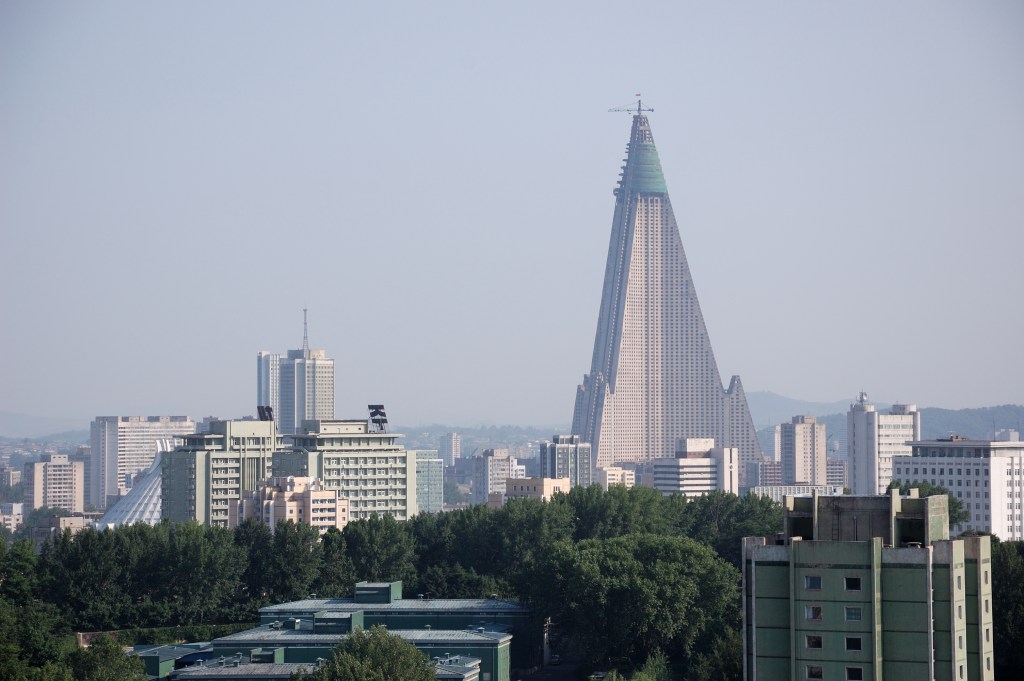
North Korea also remains a major concern. Its alliance with Russia places the dictatorship in a precarious position. The regime frequently demonstrates military capability through missile tests.
These actions regularly draw condemnation from South Korea and Japan.
North Korea has repeatedly provoked Western countries, particularly the United States. Its confrontations with South Korea and Japan have heightened regional tensions.
In a world war scenario, it would likely become a primary target. Its ties to Russia further increase its strategic importance.
If World War III were to erupt, several regions would face extreme danger. The United States, Israel, Iran, Russia, Taiwan, and North Korea are widely viewed as the most vulnerable.
These areas combine military importance with existing conflicts. Any global war would likely place them at the center of events.