Two people with a deeply painful past have done something many would consider unimaginable.
A sexual assault survivor and the man who attacked her have come together, years later, to openly discuss their experiences—one seeking healing, the other accountability.
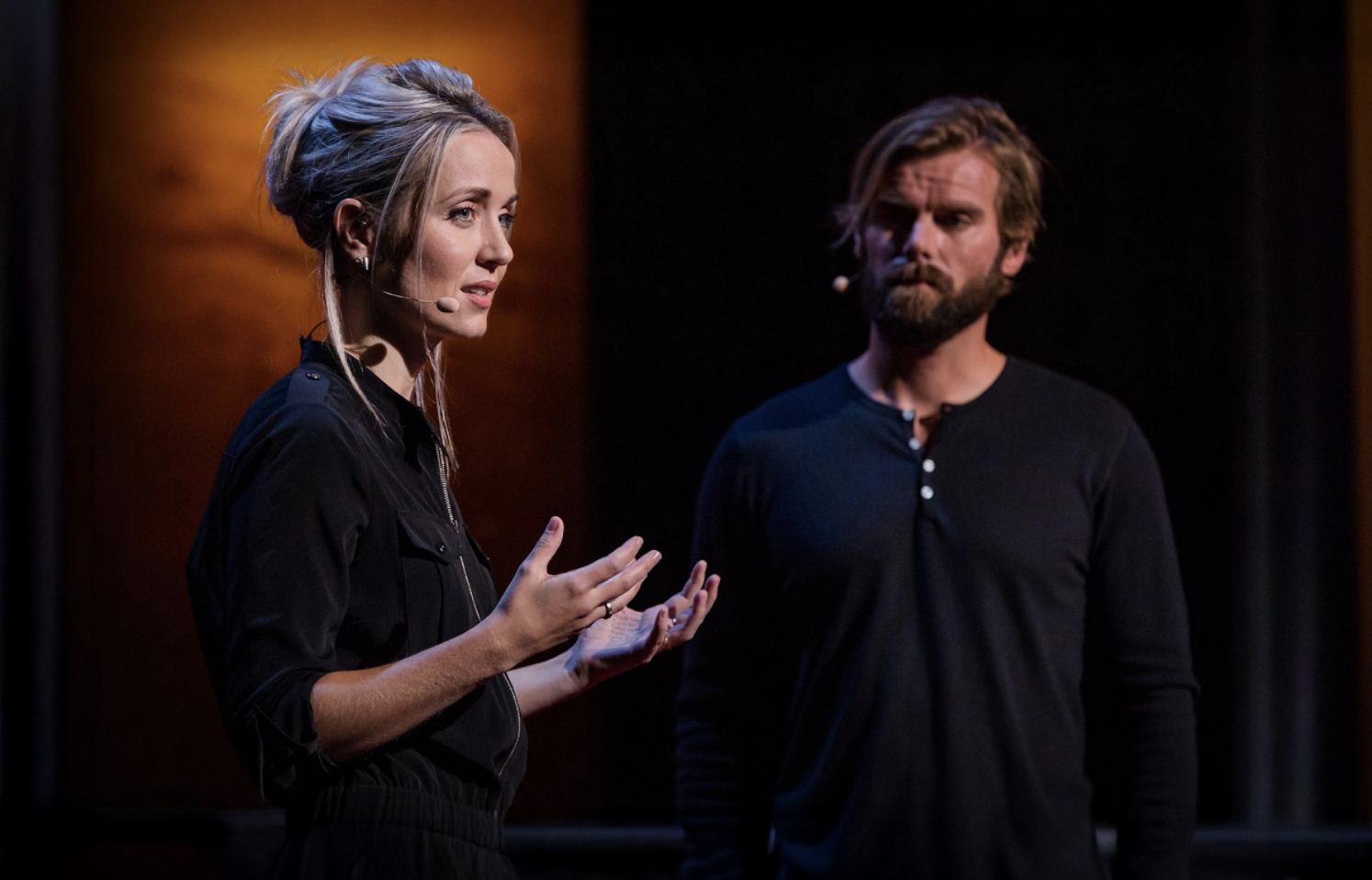
In a powerful TED talk, Thordis Elva, from Iceland, and Tom Stranger, from Australia, stood side by side.
They spoke candidly about the assault that happened when they were teenagers, and the complex emotional journeys that followed.
Thordis, who was sixteen at the time, described carrying years of guilt, confusion, and self-blame.
Tom explained his long struggle with denial, shame, and confronting the reality of his actions.
Both made it very clear—their story is not a model for others to follow, nor a guide for reconciliation.

Instead, it is a conversation about responsibility, truth, and the importance of talking about sexual violence.
“Speaking Out Is a Privilege and a Responsibility”
Thordis told the audience it took her years to fully understand that what happened to her was not her fault.
She spent a long time believing she was to blame because of what she wore, what she drank, or how she acted.
She later understood that the blame lies only with the person who chooses to commit harm.
“Nobody gets to tell someone else how to handle their deepest pain.”, she said.
She acknowledged that speaking publicly about her experience is a privilege, because many survivors around the world cannot do so safely.

“With privilege comes responsibility,” she said, “and the least I can do is use my voice.”
Tom Says He Spent Years Hiding From the Truth
Tom admitted he spent nearly a decade refusing to call the assault what it really was.
He described how he buried the memory, creating mental excuses and trying to believe it was a misunderstanding.
But deep inside, he knew something was terribly wrong. He also described the moment he finally faced the truth.
He recognized that calling himself “a good person” did not erase what he had done and said true accountability means acknowledging harm, even when it is painful to do so.
“On that night, I acted from a sense of entitlement. It was only me making choices”, he added.
He explained he had been influenced by harmful ideas about masculinity and ownership of women’s bodies, but emphasized those influences did not excuse his actions.
A Letter Sparked an Eight-Year Dialogue
Nine years after the assault, when Thordis felt emotionally overwhelmed, she wrote Tom a letter.
She described everything she had experienced after the assault, including the emotional toll it took on her life.
To her surprise, he responded. He expressed remorse, clarity, and responsibility for the harm he caused.
That letter opened a difficult but honest dialogue that lasted for eight years.
Eventually, they agreed to meet in person, choosing South Africa as a middle ground between Iceland and Australia.

They spent time speaking face-to-face—for the first time since the assault—to confront the past, acknowledge harm, and process their experiences.
Their Story Is Not About Excusing Harm — It Is About Facing It
Both emphasize that forgiveness is not forgetting, and accountability is not punishment alone.
Their message focuses on understanding, responsibility, and opening meaningful conversations, especially around men’s roles in preventing sexual violence.
Together, they co-authored a book called South of Forgiveness, which explores their emotional journey in depth.
They hope their story encourages more honest conversations about sexual violence, without shame or silence.
Thordis said, “Light can be built from ruins, but only if we are brave enough to face them.”
Their unusual and deeply emotional journey continues to spark discussion about accountability, healing, and what it truly means to confront past harm.
Featured image credit: TED