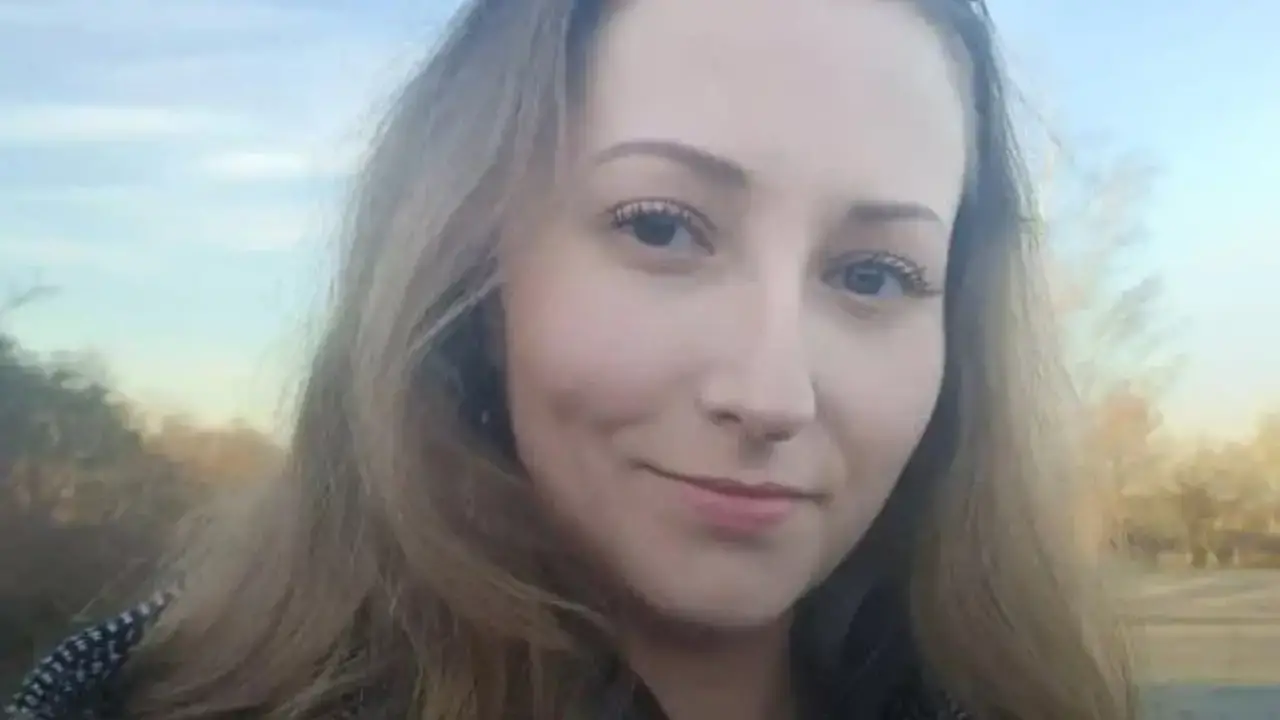
A physically healthy 29-year-old woman publicly explained her decision to undergo euthanasia, reigniting global debate around assisted dying and mental illness.
Euthanasia, defined as intentionally ending a person’s life to relieve suffering, remains one of the most divisive ethical issues worldwide. Laws vary widely by country, and public opinion often splits sharply along moral, medical, and personal lines.
That divide became especially visible after the story of Zoraya ter Beek, a young woman from the Netherlands, drew international attention in 2024.
Despite having no physical illness, ter Beek chose euthanasia, saying her psychological suffering had become unbearable.
Who was Zoraya ter Beek?
Ter Beek lived in a small village in the Netherlands near the German border. By all medical standards, she was physically healthy and able-bodied.

However, she lived with multiple psychiatric conditions, including autism, severe depression, anxiety, trauma, and borderline personality disorder (BPD). According to her, these conditions shaped every aspect of her daily life.
She said years of treatment failed to improve her mental health. Over time, she came to believe that her situation would never change.
“I was always very clear,” she said in interviews. “If it doesn’t get better, I can’t do this anymore.”
Why she chose euthanasia
Ter Beek explained that her decision was not impulsive. Instead, she described it as the result of years of medical care, therapy, and reflection.
She told The Free Press that her psychiatrist eventually said: “There’s nothing more we can do for you. It’s never gonna get any better.”
For ter Beek, that moment confirmed what she already felt. She said life had become unbearable and that continuing to live felt more painful than dying.
She emphasized that she did not view her decision as hopelessness, but as relief. “I don’t see it as my soul leaving,” she said. “I see it as myself being freed from life.”

How euthanasia works in the Netherlands
The Netherlands legalized euthanasia under the Termination of Life on Request and Assisted Suicide (Review Procedures) Act, which took effect in 2002.
Under the law, doctors may perform euthanasia only if strict criteria are met. These include unbearable suffering with no prospect of improvement, a voluntary and well-considered request, and confirmation from multiple medical professionals.
Patients do not have an automatic right to euthanasia, and physicians have no obligation to perform it.
Government data shows euthanasia cases have steadily increased. In 2022, doctors reported 8,720 cases. In 2023, that number rose to 9,068, the highest total on record.
Ethical concerns and criticism
Ter Beek’s case alarmed many critics, especially those worried about euthanasia for psychiatric illness.
Healthcare ethicist Stef Groenewoud warned that euthanasia now appears earlier in treatment discussions than before. He said doctors may give up on young psychiatric patients too quickly.
“I’m seeing euthanasia presented as an acceptable option,” he explained, “where it used to be the absolute last resort.”
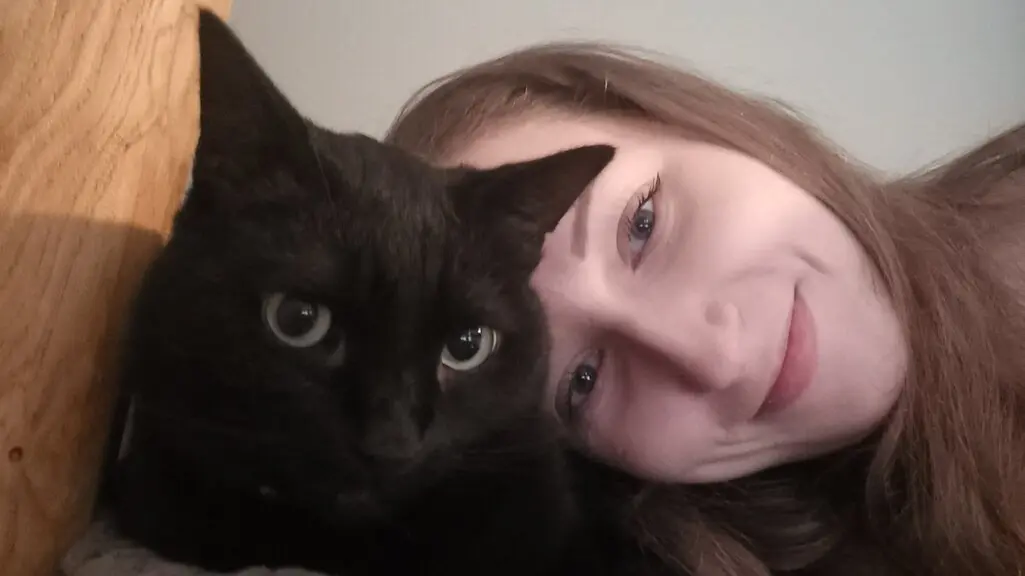
Online reactions reflected that divide. Some praised ter Beek’s autonomy and courage, calling her decision brave. Others argued that suicide should never replace continued treatment, especially for young people.
Her final wishes
Before her death in May 2024, ter Beek described how she wanted the procedure to unfold. She asked to be euthanized on her sofa in a calm setting.
She said the doctor would first share coffee to ease nerves and confirm consent multiple times. Only then would the medication be administered.
Ter Beek also chose cremation, explaining she did not want her boyfriend burdened with grave maintenance.
Although she admitted feeling afraid of the unknown, she said fear did not outweigh her desire for peace. “I’m not going anywhere,” she said. “I’m just finally resting.”
Her story continues to fuel debate over dignity, mental health care, and the limits of medical compassion.